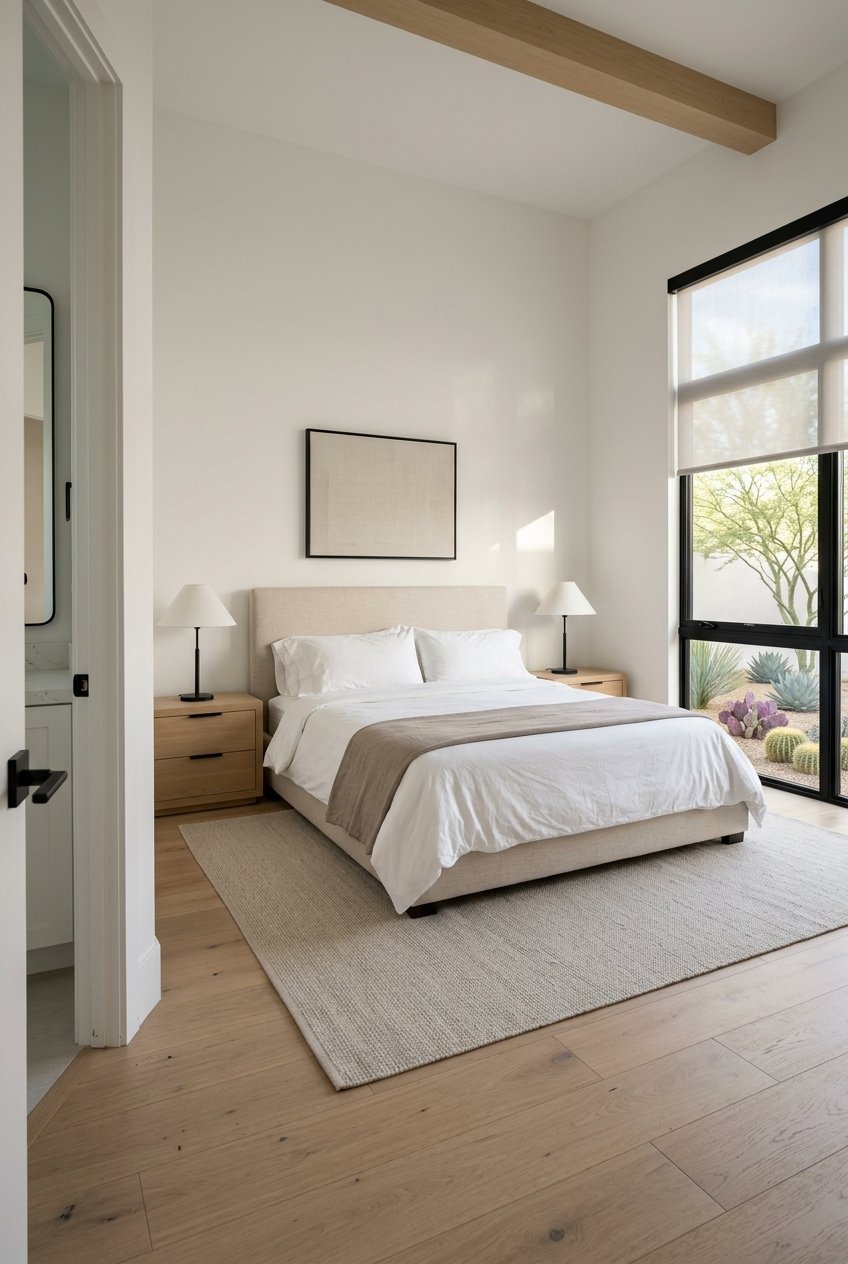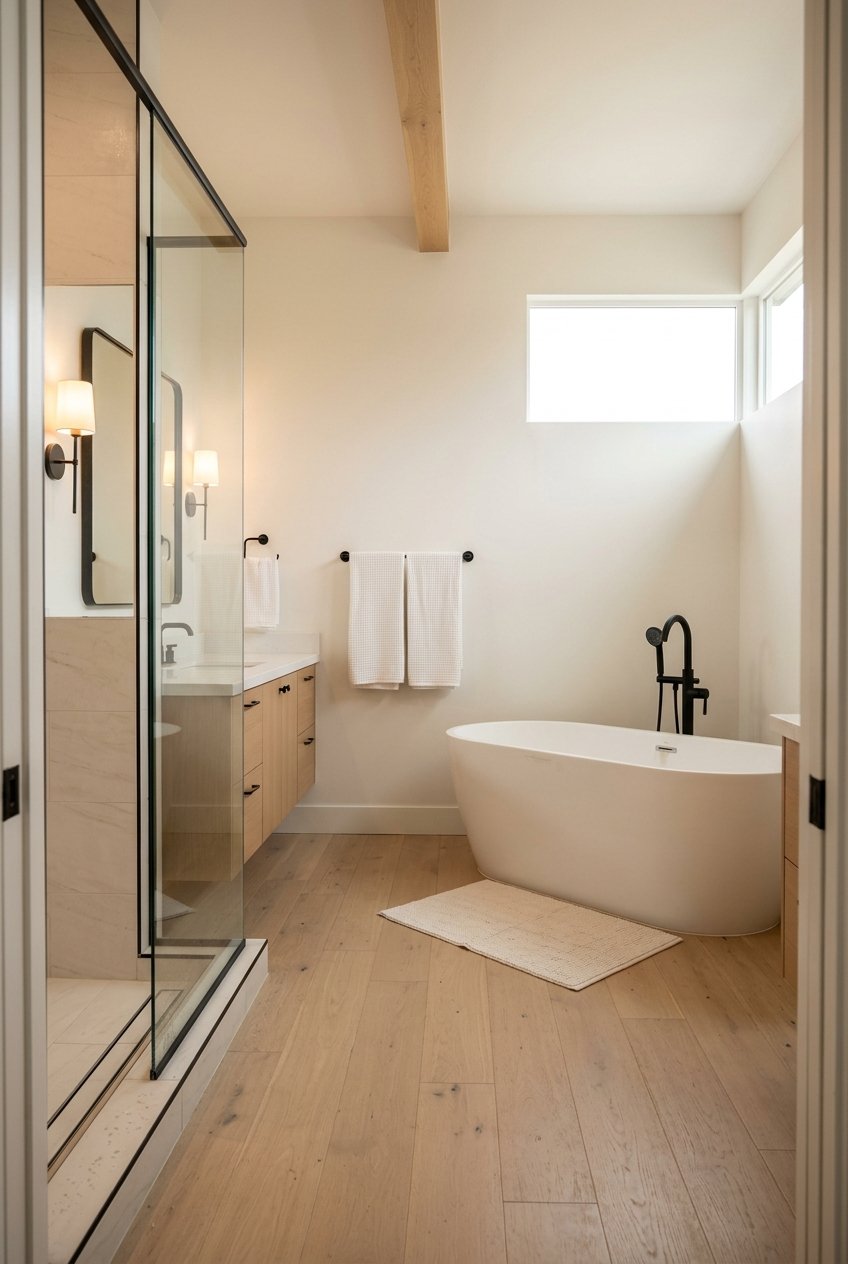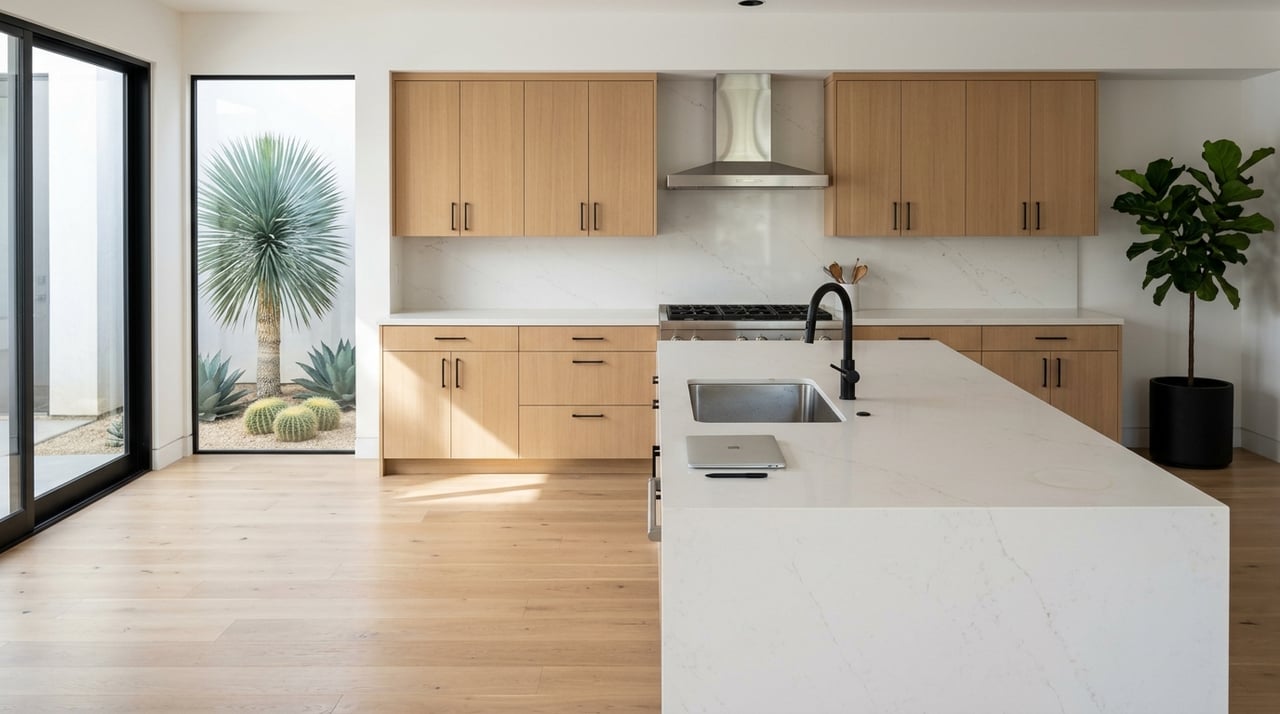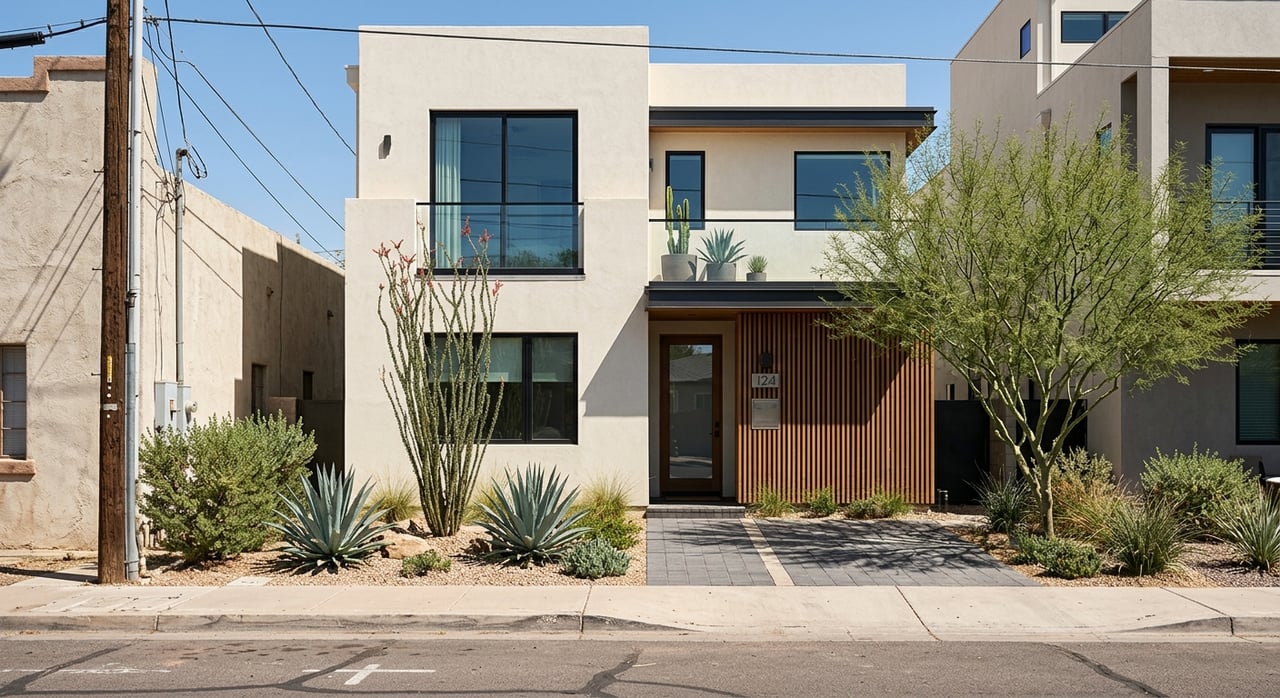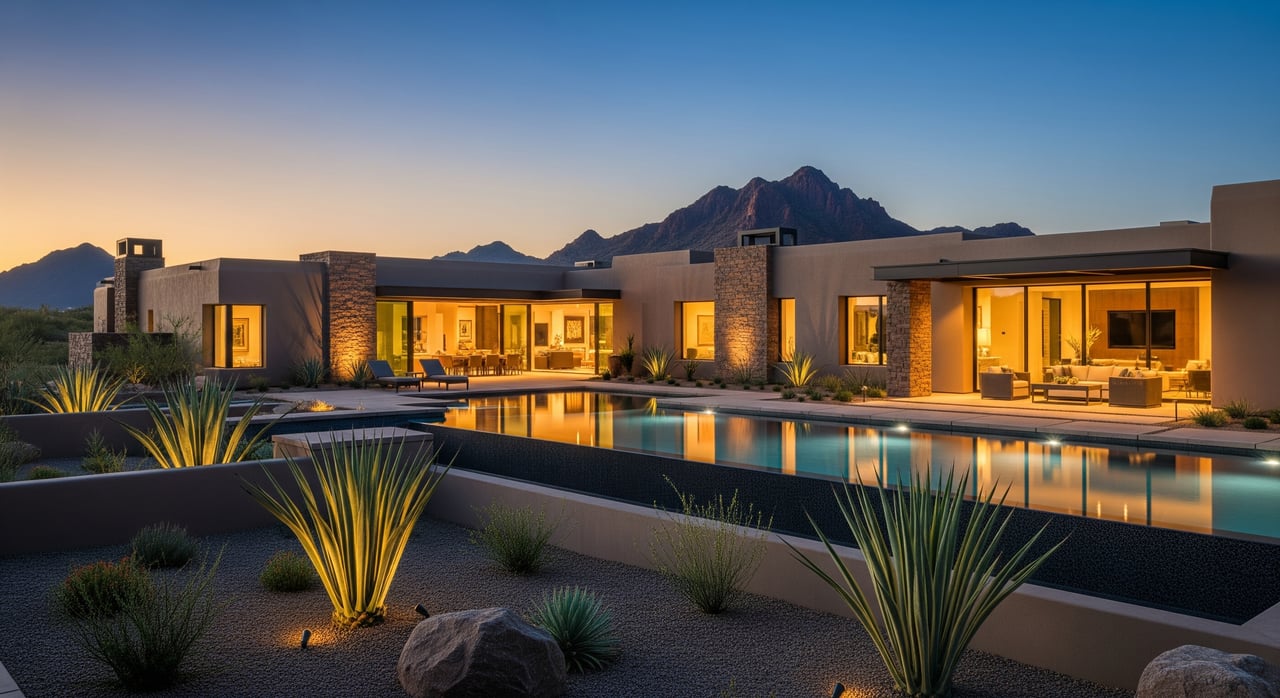
Selling a Paradise Valley estate is not about throwing a sign in the yard. It is a carefully choreographed launch that blends privacy, precision, and premium marketing. If you want a faster, cleaner sale at a strong price, you need a plan that anticipates the unique realities of high‑end listings. In the next few minutes, you’ll get a proven 30‑day roadmap tailored to Paradise Valley’s luxury market, from pre‑listing inspections to a security‑minded debut. Let’s dive in.
Why Paradise Valley needs a plan
Paradise Valley is a discreet, luxury market with custom estates, large lots, and curated amenities. Buyers include local high‑net‑worth households, out‑of‑state relocation clients, and international purchasers. That mix demands professional media, targeted outreach, and careful showings.
Each property is unique in size, views, architecture, and features. With fewer true comparables and longer absorption for top price bands, you should expect a thoughtful pricing strategy and marketing built for a smaller, highly qualified buyer pool.
Your 30‑day launch timeline
This plan gets your listing live between Day 21 and Day 30 with all assets ready. Some estates need more time for title, trust, or improvement work. Use this as your baseline and adjust as needed.
Days 0–3: Strategy and quick fixes
- Meet to align on goals, pricing approach, and privacy preferences, including off‑market or limited‑exposure options and showing hours.
- Sign listing agreement and gather documents: ownership/vesting records, recent tax bill, HOA details, permits for improvements, utilities, and warranties.
- Walk the exterior to spot fast fixes: replace broken lights, remove debris, refresh pots and planters.
- Order a professional preliminary market analysis and net sheet so you understand potential outcomes.
Days 4–10: Inspections and vendors
- Book pre‑listing inspections: full home inspection, pool and spa systems, HVAC service and filters, termite/pest, and roof if age/condition suggests risk.
- Consider an optional pre‑listing appraisal for unique estates with appraisal risk.
- Engage your media and prep team: luxury photographer, drone operator, videographer for walkthrough and twilight, 3D tour provider, floor plan/drafting, and a stager with estate experience.
- Line up trades for targeted touch‑ups: handyman, electrician, plumber, landscape contractor, and pool/lighting technician.
- Create a room‑by‑room staging plan: declutter, neutralize color, adjust window treatments, and plan scents and lighting.
Days 11–17: Prep and media creation
- Complete larger prep: landscaping refresh, pressure wash hardscapes, clean the pool, tackle minor interior repairs, and schedule a professional deep clean.
- Execute staging with appropriately scaled furniture and art. Confirm partial or virtual staging if preferred.
- Walk the property with your photographer to finalize a shot list and make staging tweaks.
- Schedule and capture media: daylight and twilight photography, aerials, cinematic video, 3D virtual tour, and professionally drafted floor plans.
- Draft the property website outline and copy points: headline features, room counts, indoor‑outdoor living, and privacy/security features.
Days 18–24: Collateral and broker outreach
- Review photos, video, 3D tour, and floor plans. Request edits where needed to ensure every asset is on brand and accurate.
- Finalize marketing collateral: MLS description, broker‑to‑broker memo, printed feature sheets, a polished property website, and a virtual brochure.
- Prepare a press or media kit for placement on luxury portals and networks.
- Plan a broker‑open for top Scottsdale and Paradise Valley luxury agents and prepare preview materials.
- Launch a targeted digital strategy: social and display ads, email campaigns to buyer agents, relocation and wealth advisors, and concierge networks.
- Decide listing timing and exposure: soft broker‑only preview or full syndication based on your privacy needs.
Days 25–30: Go live and follow up
- Upload to ARMLS with accurate parcel, tax, HOA, legal description, and disclosures. Confirm all fields are correct before syndication.
- Launch the property website and paid marketing across selected channels.
- Host the broker open and begin private, by‑appointment showings with pre‑qualified buyers. Use identification requirements and on‑site security if preferred.
- Gather initial feedback during the first week and adjust pricing or marketing if the market signals a pivot.
- Prepare an offer comparison template and clear negotiation guidelines, including minimum net, concessions, and target timelines.
Pre‑listing inspections and staging
A clean inspection and polished presentation reduce surprise costs, protect your leverage, and speed up due diligence.
What to inspect
- Full home inspection: structure, plumbing, electrical, and mechanical systems.
- Pool and spa systems: heaters, pumps, automation, and water quality.
- HVAC service: cleaning and refrigerant checks. Keep receipts for buyer confidence.
- Roof and gutters: note age and any recent repairs.
- Termite and pest: address wood‑destroying organisms early.
- Optional: septic or well (if applicable), solar panel condition, elevator servicing, and a smart‑home systems audit.
Repair or disclose
- Prioritize repairs that affect showability or value, such as plumbing leaks, electrical hazards, and broken windows.
- Weigh cosmetic updates against staging budget and expected return. Document all repairs with receipts you can share with buyers.
- If you choose not to fix a non‑critical item, disclose it clearly to reduce renegotiation risk.
Staging for estates
- Scale and circulation: choose furniture that fits the volume of the rooms and maximizes sightlines.
- Indoor‑outdoor living: set vignettes that connect living areas to patios, lawns, and views.
- Lighting: use warm, layered lighting and confirm landscape and pool lighting for twilight showings.
- Outdoor staging: add dining sets, lounge groupings, and clean, lit pathways.
- Professional touch: a stager with luxury inventory can elevate perceived value and shorten days on market.
Pricing strategy in Paradise Valley
Pricing in a luxury market is an art that blends data, positioning, and risk management.
How to price luxury
- Use recent, true comparables in Paradise Valley with similar lot size, age, and amenities. If your estate is very unique, expand carefully to nearby Scottsdale and select Phoenix neighborhoods.
- Look at time‑on‑market trends by price band and current list‑to‑sale patterns. Price per square foot is less reliable for custom estates, so adjust for lot, views, architectural quality, and finishes.
- Consider pricing frameworks: market‑value pricing or a value‑range approach with defined review points based on market feedback.
Appraisal risk and solutions
- Unique estates can appraise below contract price. To reduce risk, consider a pre‑listing appraisal with a luxury‑experienced appraiser.
- In negotiations, favor strong financing or cash, larger earnest money, and appraisal‑gap strategies where appropriate.
Evaluating offers
- Go beyond top‑line price. Compare net proceeds, contingencies, closing timeline, financing type, appraisal terms, inspection flexibility, and earnest money.
- Prepare fallback concessions in advance, such as repair credits or short‑term post‑closing occupancy, to keep deals moving.
Privacy, security, and showings
Luxury listings often require discretion. Build privacy into the strategy without sacrificing exposure to qualified buyers.
Marketing with discretion
- Consider a pocket or quiet launch through private broker networks if you prefer limited exposure.
- Use password‑protected property websites or private video tours for vetted agents.
- Control social sharing and photography until you authorize public release.
Showing protocols
- Require buyer identification and financial pre‑qualification before showings.
- Schedule by appointment with agent accompaniment and, if desired, on‑site security.
- Limit access to sensitive areas and secure valuables and smart‑home settings.
Legal and transaction essentials
A clean file protects you and keeps the timeline intact. Confirm current Arizona requirements with your agent and title team.
Required disclosures in Arizona
- Residential Seller Property Disclosure Statement: provide written disclosures of known defects and property conditions.
- Lead‑based paint: for homes built before 1978, supply the federal disclosure and the EPA pamphlet.
- HOA or POA documents: share bylaws, CC&Rs, assessment history, and any resale certificates if applicable.
- Permits and improvements: provide records for additions, pools, guest houses, and major remodels where available.
- Utilities and water/sewer/septic status: note providers and known issues.
Title, trusts, and vesting
- If the property is held in a trust or LLC, confirm signer authority early and coordinate with the title company or attorney to avoid delays.
- If the estate is part of probate, consult legal counsel regarding listing constraints.
- Order a preliminary title report, identify easements and liens, and resolve encumbrances where possible.
Escrow and closing norms
- Arizona transactions typically move through a buyer‑oriented inspection period, then escrow and closing with a title company or escrow agent.
- Earnest money amounts vary at the luxury level and are often larger or structured differently. Align on customary ranges with your agent before launch.
Your vendor team
The right specialists elevate perceived value and protect your position during negotiations.
- Photographer and videographer: proven luxury portfolio with daylight, twilight, and aerial expertise.
- Stager: capable of furnishing large‑scale rooms and outdoor spaces, including art and accessories.
- Landscape and pool: lighting checks, irrigation, seasonal plantings, and pool automation.
- Inspectors: experience with desert foundations, pool systems, and complex mechanicals.
- Appraiser: luxury and local high‑end experience if a pre‑listing appraisal is warranted.
- Marketing: property microsite designer, ad campaign manager, and a premium print vendor.
- Security or concierge: for private showings or remote‑owner logistics.
- Real estate attorney and tax advisor: for trust, LLC, title, and tax questions, including potential 1031 considerations for investment properties.
What success looks like by Day 30
By the time you go live, the home should be photo‑ready with completed inspections, targeted repairs, and professional staging. You should have high‑resolution photos, twilight images, aerials, a cinematic video, a 3D tour, floor plans, printed brochures, and a polished property website. Broker outreach, digital ads, and private previews should be underway. You are now positioned to attract qualified buyers, field strong offers, and negotiate from a place of confidence.
Ready to launch your Paradise Valley estate the right way? Partner with a finance‑trained advisor who pairs luxury marketing with negotiation discipline and privacy‑first execution. Connect with Anthony Escobar to build your 30‑day launch plan today.
FAQs
How fast can we list in Paradise Valley?
- Most estates can go live in 2 to 4 weeks if inspections, staging, and title prep stay on schedule, but allow more time for major repairs or trust and probate work.
Will staging pay off for a luxury estate?
- Appropriate staging with professional media typically improves buyer perception and can shorten days on market, especially when scaled to large rooms and outdoor living.
Should I accept an early offer on my PV estate?
- Evaluate early offers with a net sheet and weigh financing strength, contingencies, timing, and appraisal terms; strong, clean offers can be worth taking.
What if my estate appraises low?
- Consider a pre‑listing appraisal, larger earnest money, appraisal‑gap language, or attracting buyers with flexible financing or cash to reduce appraisal friction.
Can I limit showings for privacy and security?
- Yes, you can use private marketing, pre‑qualification, by‑appointment showings, identification requirements, and limited photography to protect your privacy.