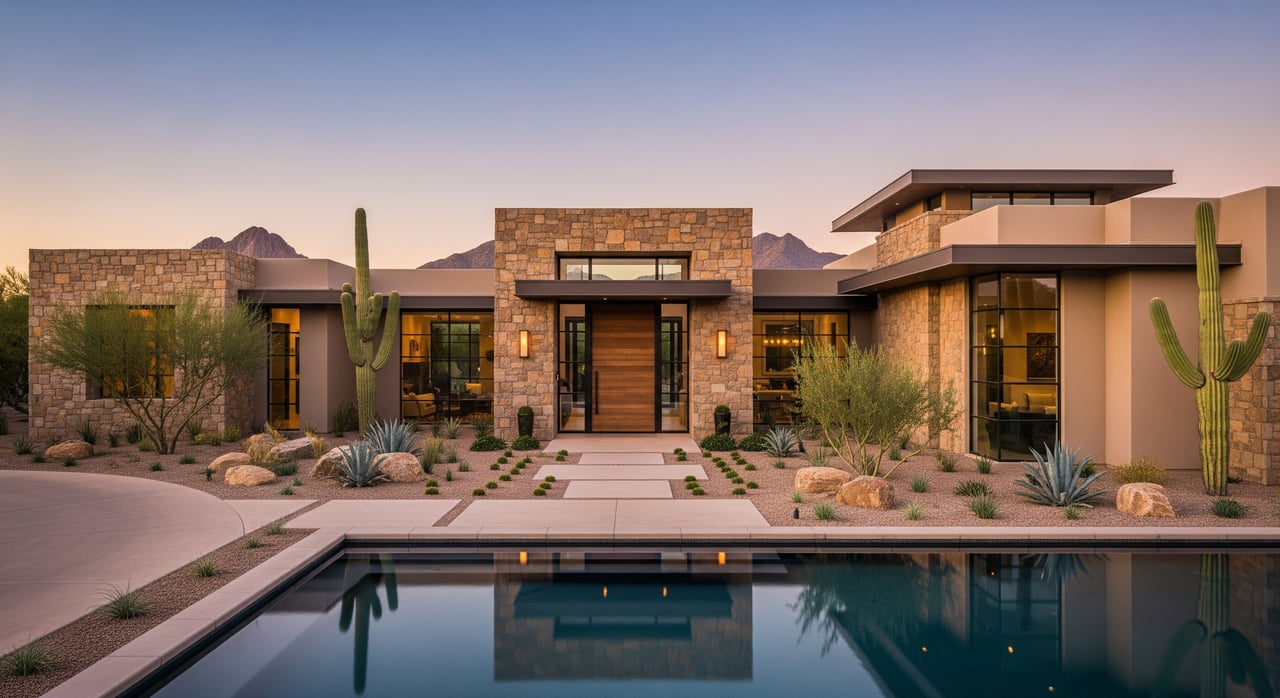
If you are relocating to Phoenix, the hardest part is not the move. It is choosing a neighborhood that truly fits your commute, lifestyle, and budget. Phoenix is big, diverse, and growing fast, which means the right area for you depends on what you value day to day. You want clarity before you start touring homes.
In this guide, you will learn how to match your priorities to Phoenix neighborhoods, what trade-offs to expect, and how to verify key details like transit, schools, flood maps, and HOA rules. You will also get a practical checklist to make your choice easier and smarter. Let’s dive in.
First, know your Phoenix context
Phoenix is one of the largest cities in the country per the 2020 U.S. Census. The broader Valley has multiple job centers, and your daily drive will shape your neighborhood options. Decide which employment node matters most, like Downtown, Tempe and ASU, Biltmore and Camelback, East Valley tech and medical centers, or the West Valley manufacturing corridor.
Driving is common here, and freeway access is a big tie-breaker. The I-10, I-17, Loop 101, Loop 202, and SR-51 connect most areas. If you prefer transit or a more urban feel, study the Valley Metro light rail and bus maps and focus on stations in central Phoenix, Midtown, Tempe, and parts of Mesa.
Climate is another major factor. Summers are very hot, and monsoon season typically runs July through September, bringing heavy rain, dust storms, and localized flooding. Learn how to prepare using NOAA’s monsoon safety guidance, and review parcel-specific flood risk on the FEMA Flood Map Service Center before you write an offer.
Affordability varies by submarket. Central and historic districts command higher price per square foot. Larger homes and new construction are more common in the West Valley and outer suburbs. Many newer communities include HOAs with amenities, rules, and ongoing fees. Plan your budget with these variables in mind.
Neighborhood styles and who they fit
Below are common neighborhood types with examples, who they tend to fit, and trade-offs to consider. Always verify details for your target addresses with current listings, city resources, and on-site visits.
Downtown and Roosevelt Row
- Who it fits: Buyers who want a walkable, urban lifestyle with restaurants, cultural venues, and transit nearby.
- Housing: Condos, lofts, townhomes, some historic single-family pockets, plus infill new builds.
- Pros: Walkability, light rail access, short commute to central employers.
- Trade-offs: Higher density, parking constraints, school options vary by block.
Midtown and North Central
- Who it fits: Buyers seeking historic character and tree-lined streets near central hospitals, arts venues, and offices.
- Housing: Older single-family homes and mid-century ranches, many with tasteful remodels.
- Pros: Established feel, central location, quick access to core services.
- Trade-offs: Smaller lots in many areas, limited new construction, renovated homes can command premiums.
Biltmore and Arcadia
- Who it fits: Buyers who value upscale shopping and dining, golf and resort-style amenities, and central access between Phoenix and Scottsdale.
- Housing: Luxury single-family homes, well-maintained mid-century properties, and high-end infill builds.
- Pros: Prestige addresses and strong resale history in the luxury segment.
- Trade-offs: Premium pricing and heavier traffic on key arterials.
Ahwatukee Foothills
- Who it fits: Households seeking a suburban feel within Phoenix city limits, with trail access and mountain views.
- Housing: Predominantly single-family homes from the 1990s and 2000s, with HOAs common.
- Pros: Parks and recreation, neighborhood amenities, balanced access to the East and West via freeways.
- Trade-offs: Longer commute to north Phoenix or far East Valley jobs.
South Mountain and Laveen
- Who it fits: Buyers who want larger lots, affordability, and a semi-rural feeling near urban conveniences.
- Housing: Newer subdivisions along with some agricultural parcels.
- Pros: Value per square foot and proximity to South Mountain recreation.
- Trade-offs: Fewer urban amenities close by and longer commutes to key job nodes.
West Valley options
- Who it fits: Buyers seeking newer homes, larger floor plans, and lower price per square foot in areas like Maryvale, Glendale, Peoria, Surprise, and Goodyear.
- Housing: Newer single-family subdivisions with growing retail corridors and schools.
- Pros: Affordability, community amenities, predictable master-planned layouts in many communities.
- Trade-offs: Commute times to central Phoenix, Tempe, and Scottsdale can be longer. School options vary by district and neighborhood, so verify boundaries and programs.
East Valley suburbs
- Who it fits: Professionals linked to ASU, tech, and medical centers, and families who want established suburban infrastructure in Tempe, Mesa, Chandler, and Gilbert.
- Housing: A mix of older inner suburbs and large master-planned communities.
- Pros: Strong employment clusters and a range of school options. Transit is more available in Tempe than in the outer suburbs.
- Trade-offs: City services and taxes differ outside Phoenix. Commutes to downtown vary by corridor.
Foothills and luxury areas
- Who it fits: Buyers seeking privacy, desert views, golf communities, and luxury estates in Paradise Valley, North Scottsdale, and the North Phoenix foothills.
- Housing: Large custom homes, gated communities, and high-end new builds.
- Pros: Scenic settings, premium amenities, and established luxury market dynamics.
- Trade-offs: High pricing and higher maintenance expectations for larger lots and custom properties.
Transitional areas to watch
- Who it fits: Buyers or investors who want lower entry prices and are comfortable researching block-level trends in areas like South Phoenix, Maryvale, and Sunnyslope.
- Housing: Older stock with renovation potential, plus infill opportunities.
- Pros: Affordability and proximity to central corridors.
- Trade-offs: Neighborhood services and conditions can vary by street, so verify trends over multiple visits and with local data.
How to choose your best-fit area
Use this practical checklist to narrow your search quickly and confidently.
Commute and transit
- Pin your primary destination. Map peak-hour drive times on freeways and arterials.
- If you prefer transit, review the Valley Metro light rail and bus maps, then focus on homes near stations.
- Consider reverse-commute patterns for East and West Valley jobs.
Budget beyond price
- Add HOA dues, transfer fees, and special assessments if applicable.
- Estimate cooling-heavy summer electricity bills and ask for recent utility history.
- Include insurance costs, property taxes, and any new construction upgrade or lot premiums.
Schools and childcare
- Verify attendance zones and performance using the Arizona Department of Education Report Cards.
- Review charter options and enrollment rules where relevant.
- Confirm transportation logistics and childcare availability near your home and work.
Safety and site visits
- Study multi-year crime trends with the CrimeMapping tool and neighborhood dashboards.
- Visit target blocks at different times of day and week.
- Speak with local contacts and observe traffic, lighting, and street activity.
Climate-ready home systems
- Confirm HVAC age, size, and service history. Ask for summer electric bills.
- Inspect roofing, attic ventilation, insulation, and sun exposure. Trees and shading help with comfort.
- Check flood risk using the FEMA Flood Map Service Center and ask about lot grading and drainage.
Insurance and utilities
- Shop homeowners insurance with attention to roof type, flood risk, and claim history.
- Verify which utility serves the property. Phoenix addresses are typically covered by APS or Salt River Project. Solar policies and rebates vary by provider and may change.
HOAs and covenants
- Review CC&Rs, rental rules, exterior change approvals, parking policies, and pet guidelines.
- Check reserve studies and any history of special assessments.
- Look for restrictions that affect your plans, especially if you are considering rental income.
Future development and zoning
- Search planning maps and permit activity through the City of Phoenix Planning and Development.
- Note upcoming freeway adjustments, infill projects, or rezoning that could affect traffic and future property values.
Timing and seasonality
- If moving in summer, plan early morning moves and extra hydration breaks.
- Expect market inventory and activity to shift through the year. Ask your agent for recent trends by submarket.
Arizona purchase basics
- Arizona uses standard purchase contracts and escrow with seller disclosures.
- Budget for inspections such as general home, pest, HVAC, and roof.
- Build time for HOA document review when applicable.
Quick match examples
Use these examples to test your fit, then tailor the search to your exact commute and budget.
- Urban and car-light: If you want restaurants, arts, and transit, focus on Downtown, Roosevelt Row, and Midtown near light rail.
- Luxury with central access: If you want high-end amenities and prestige, consider Biltmore, Camelback, and Arcadia for access to both Phoenix and Scottsdale.
- Suburban with trail access: If you want a neighborhood feel with mountain recreation, consider Ahwatukee Foothills and parts of the South Mountain area.
- Larger homes and value: If you want newer floor plans at a lower price per square foot, explore Peoria, Surprise, Goodyear, and parts of Glendale.
- Jobs near ASU and tech: If you want access to East Valley employment, consider Tempe, Chandler, Gilbert, and parts of Mesa.
Quick quiz to narrow your search:
- Is your daily commute target under 30 minutes door to door?
- Do you prefer a walkable, urban setting or a quiet, suburban environment?
- Will you prioritize newer construction and HOA amenities or larger lots and fewer rules?
- Do you want a luxury address and resort-style access or a value-based footprint for more space?
Next steps with a local advisor
Neighborhood fit is a balance of commute, lifestyle, climate resilience, and total monthly cost. When you overlay HOA rules, flood and heat considerations, and school logistics, the right choice becomes clear with structured guidance and the right data.
If you want a plan that aligns your goals with on-market and off-market opportunities, reach out to Anthony Escobar for a tailored relocation strategy and neighborhood tour plan.
FAQs
Is Phoenix walkable or will I need a car?
- Phoenix is primarily car dependent, though central neighborhoods near the Valley Metro light rail and bus lines offer more walkability and transit access.
When is monsoon season and how should buyers prepare?
- Monsoon season typically runs July through September. Review NOAA’s monsoon safety guidance and check parcel flood risk at the FEMA Flood Map Service Center.
How do HOAs affect my neighborhood choice in Phoenix?
- HOAs set rules for exterior changes, parking, and rentals, and they charge dues that affect your monthly budget. Review CC&Rs and reserve studies early in the process.
Where can I verify school boundaries and reports in Arizona?
- Use the Arizona Department of Education Report Cards and your local district boundary maps, then confirm enrollment policies directly with the district.
How do I check crime data and utilities for a specific address?
- Review multi-year trends with the CrimeMapping tool. Confirm electricity providers and policies with APS or Salt River Project, which serve most addresses in the region.