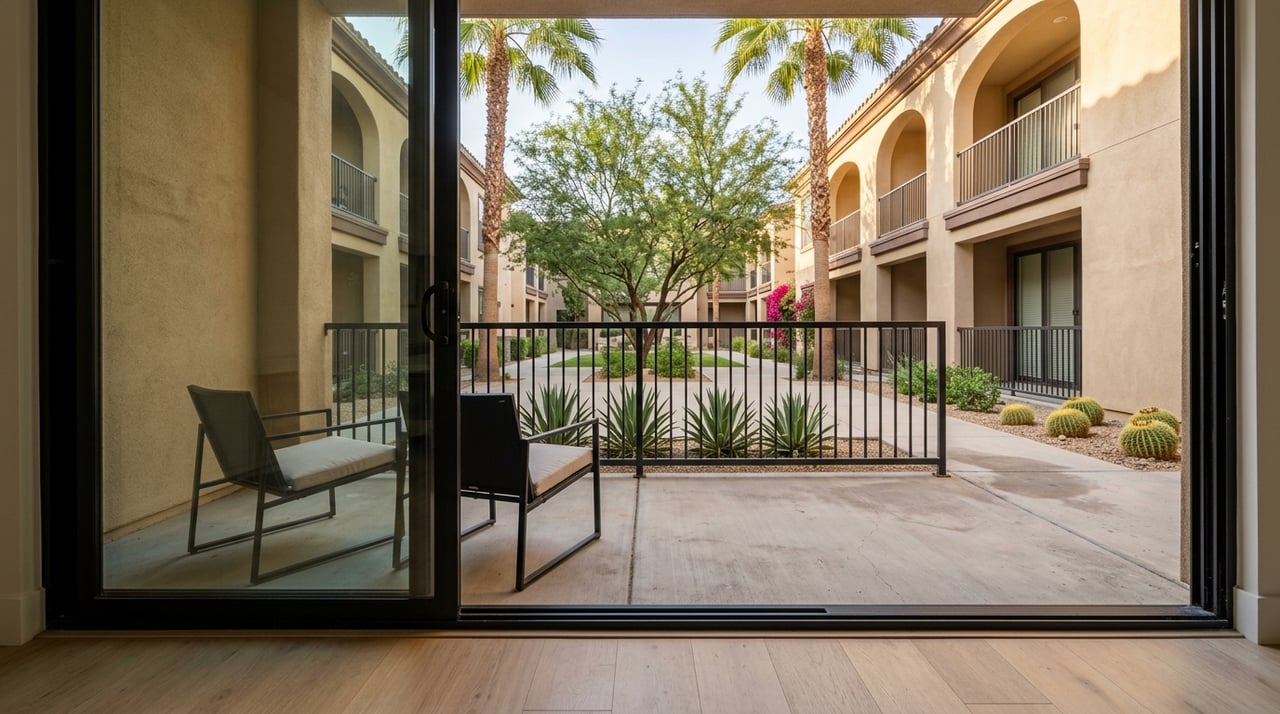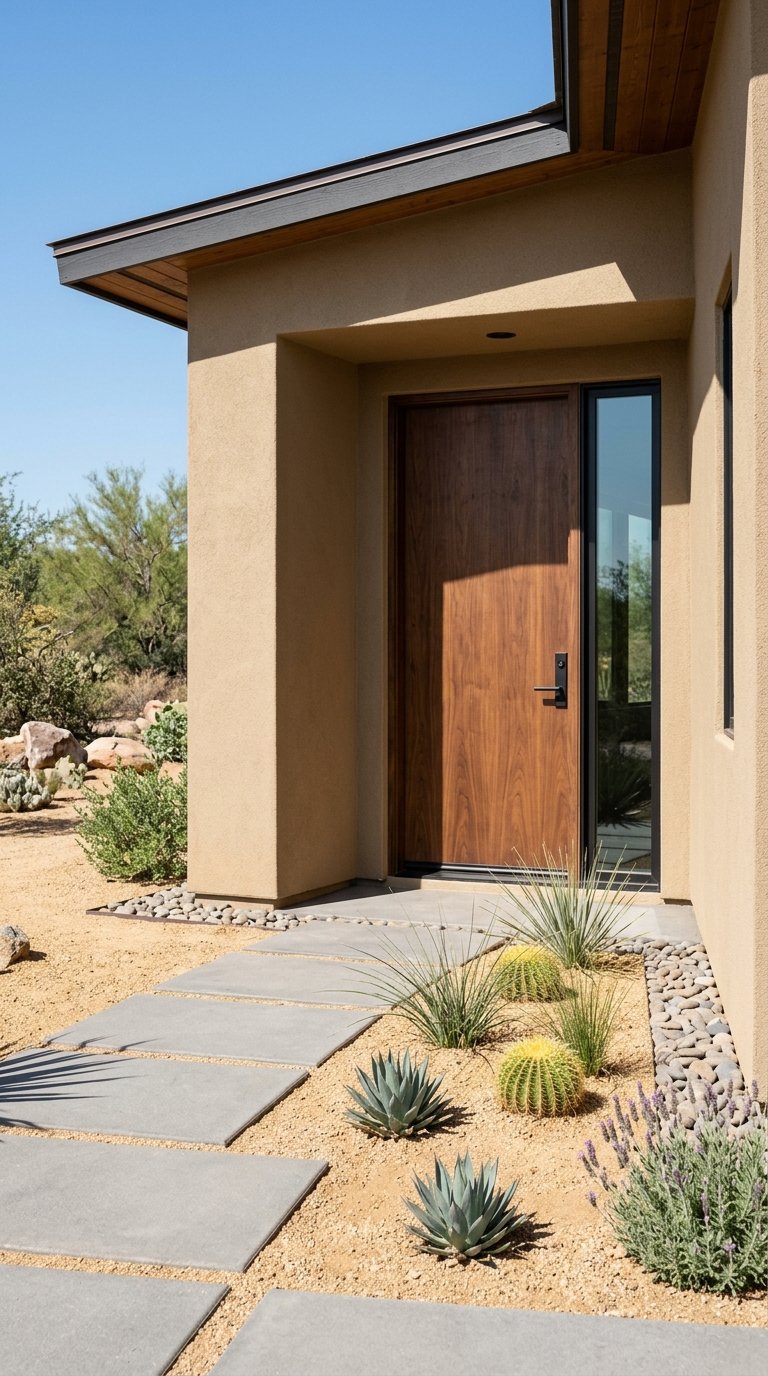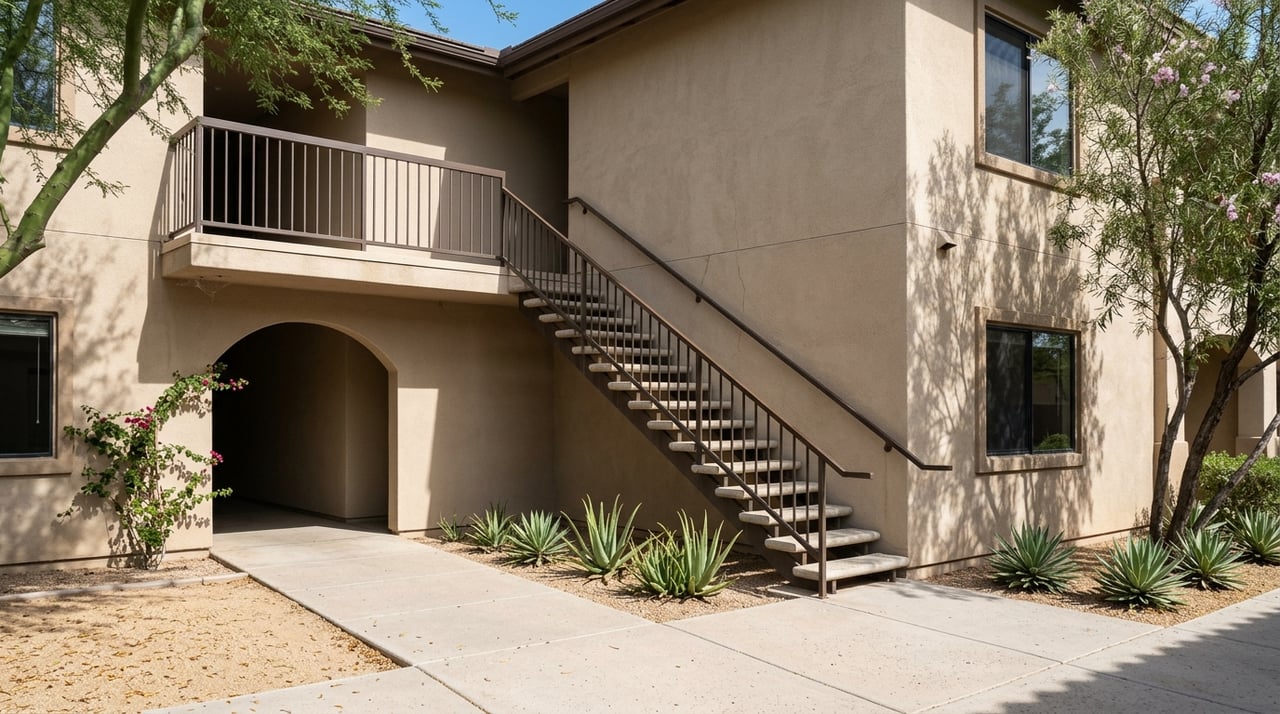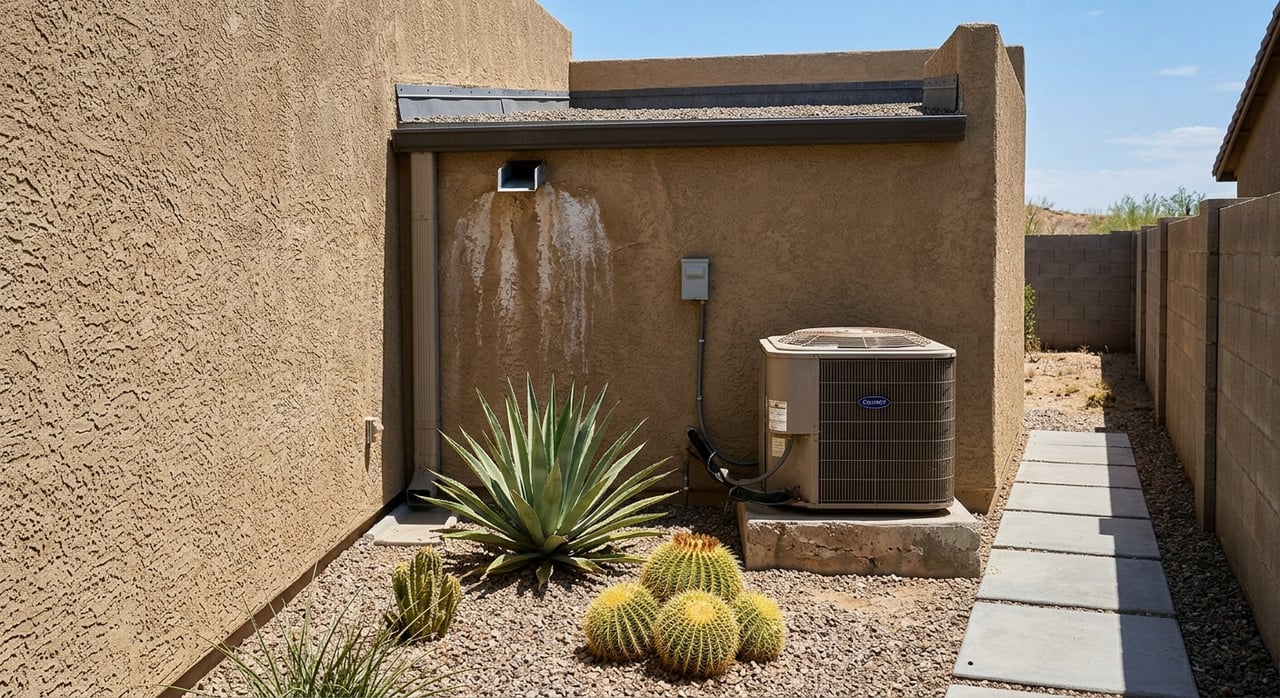
If you are weighing new construction vs resale in Surprise for rental investing, the right answer is rarely about age alone. In a fast-growing market, your returns can shift based on HOA costs, maintenance risk, tenant appeal, and the price you lock in on day one. This guide will help you compare both paths in a clear, numbers-first way so you can make a smarter buy in Surprise. Let’s dive in.
Surprise Rental Market Basics
Surprise is a growing West Valley city with a mostly owner-occupied housing base. The U.S. Census Bureau estimates the 2024 population at 167,564, which is up 17.1% from April 1, 2020. The city also shows a 79.1% owner-occupied rate, median household income of $96,711, and median gross rent of $2,033.
For you as an investor, that backdrop matters. A market with a strong owner-occupied profile often means renters may expect clean, well-maintained homes rather than heavily dated inventory. It also means you should think carefully about tenant appeal, neighborhood rules, and ongoing upkeep before you buy.
Current Zillow data shows an average Surprise home value of $420,978, a median sale price of $406,650, and an average rent of $2,139. Zillow also labels the rental market as cool, with 530 available rentals. Using the average rent and average home value, gross rent yield is about 6.1% before vacancy, taxes, insurance, HOA dues, and maintenance.
Why New Construction Appeals to Investors
New construction tends to work best when your priority is lower early maintenance and a home that shows well to tenants. In Surprise, that can be especially important because much of the housing stock is tied to master-planned communities such as Asante, Marley Park, Rancho Gabriela, Greer Ranch, Surprise Farms, Sierra Montana, Sterling Grove, and the Loop 303 development area.
Many new homes are designed around features renters notice right away. Builder materials in Arizona commonly highlight open floor plans, patios, low-maintenance yards, ENERGY STAR certification, WaterSense fixtures, and low- or zero-VOC products. These features do not guarantee stronger returns, but they can support easier leasing and reduce the chance of early repair issues.
Another advantage is warranty protection. Arizona recognizes an implied warranty of workmanship and habitability as part of the builder-homebuyer contract, and it cannot be waived by disclaimer. In practice, builder warranty programs may include coverage such as 1 year for workmanship and materials, 2 years for major systems, and 10 years for structural components.
If your strategy is to reduce surprises in the first few years, that matters. Fewer immediate repairs can make budgeting more predictable, especially if you want a more hands-off rental experience. For investors who value smoother operations, new construction often fits that goal well.
The Tradeoffs of New Construction
The biggest tradeoff with new construction is usually cost layering. While the home itself may need less work upfront, community costs can affect your first-year cash flow from the start. In one Surprise builder example, the HOA was listed at $100 per month, along with a $276 working capital fee and a $100 transfer fee at closing.
Those charges may not sound dramatic on their own, but together they change your real basis and monthly carry. If you are buying for income, you need to underwrite more than the mortgage payment and expected rent. HOA dues, startup fees, reserves, and vacancy assumptions all need to be part of the same worksheet.
You should also remember that not every new community fits a standard long-term rental strategy. Some communities in Surprise are age-restricted. For example, Asante Heritage is marketed to ages 55 and better, which can narrow your tenant pool if your goal is a broad, conventional rental audience.
Why Resale Can Be a Better Buy
Resale homes often give you more basis flexibility than new construction. In Surprise, Zillow reports a median sale price of $406,650 versus a median list price of $438,663, with 59.7% of sales closing under list and a median 36 days to pending. That suggests investors may have more room to negotiate and buy below asking price.
That pricing gap matters because entry price drives a large part of your return. If you can buy at a better basis, you may create more room for cash flow, reserves, or selective updates that improve rentability. In a cool rental market, that discipline matters even more.
Resale also gives you more variety. Some homes are in planned communities with dues and rules, while others may not be managed by an association at all. In practical terms, that means a resale purchase may offer a path to lower monthly overhead and fewer leasing restrictions, depending on the property.
The Risks That Come With Resale
The main downside of resale is maintenance uncertainty. As an Arizona landlord, you must keep the premises fit and habitable, follow health and safety code requirements, and maintain plumbing, electrical, HVAC, and other supplied systems. Those legal obligations apply no matter how good the deal looked at closing.
That means the actual condition of the home matters more with resale. Older roofs, aging HVAC systems, deferred plumbing work, and worn finishes can all hit your budget after move-in. A lower purchase price can still be a win, but only if your inspection and reserve planning account for real-world repairs.
For many investors, this is where resale deals are won or lost. If the home has strong bones and manageable updates, resale can outperform. If the property looks cheap but needs heavy capital work, your projected returns can fade quickly.
HOA Rules Matter More Than You Think
In Surprise, many rental decisions come down to the community as much as the house itself. Arizona law defines a planned community as a development with mandatory association membership and assessments. Because of that, you should review the CC&Rs, leasing rules, and fee schedule before you commit.
Associations can regulate for-sale, for-rent, and for-lease signs. They cannot prohibit or charge a fee for a for-rent or for-lease sign unless the community documents already prohibit or restrict leasing. That means the governing documents are not just paperwork. They directly affect your leasing process and operating flexibility.
With new construction, there is another layer to watch. Declarant control in a planned community ends no later than when the second-to-last lot is conveyed to a buyer. If you buy early in a developing neighborhood, HOA governance, amenity budgeting, and design standards may still be evolving.
How to Underwrite New vs Resale in Surprise
If you want to compare these options clearly, keep the math simple and honest. Start with the same core categories for both new construction and resale, then stress-test the deal against stable occupancy and modest rent growth rather than aggressive rent spikes.
A practical underwriting review should include:
- Purchase price
- Expected monthly rent
- HOA dues
- Transfer or working-capital fees
- Vacancy assumption
- Property taxes
- Insurance
- Maintenance reserves
- Capital expenditure reserves
Right now, Zillow shows average rent in Surprise at $2,139 per month and labels the rental market as cool. That is a useful reminder to underwrite conservatively. In this kind of market, the stronger play is often the property that works on realistic assumptions, not the one that only works if rent jumps quickly.
When New Construction Makes More Sense
New construction may be the better fit if your priority is smoother operations in the first few years. That is especially true if you value modern layouts, lower near-term repair risk, and features that tend to lease well in a suburban market.
You may also prefer new construction if you are an out-of-state investor or want a more turnkey setup. A newer home with warranty support and lower immediate maintenance can reduce friction, even if your monthly cash flow is slightly tighter because of HOA costs.
In short, new construction often works best when your focus is predictability, tenant appeal, and operational ease.
When Resale Makes More Sense
Resale may be the stronger choice if your priority is buying at a better basis and keeping more control over your numbers. If you can negotiate below list, avoid heavy deferred maintenance, and find a property with manageable or no HOA costs, resale can create a cleaner path to long-term returns.
It can also be the better option if you want more neighborhood choice. The resale market is simply broader, which can help you match price point, lot type, community rules, and rent strategy more precisely.
In short, resale often works best when your focus is entry price, flexibility, and value creation over time.
The Bottom Line for Surprise Investors
For most rental investors, the best choice in Surprise is not about whether a home is new or older. It is about whether the property’s cash flow profile, HOA structure, maintenance outlook, and tenant appeal align with your investment plan.
New construction usually makes sense when you want fewer early repair surprises and a more turnkey experience. Resale usually makes sense when you want a better basis, broader inventory choices, and the chance to limit HOA drag on returns. If you underwrite both with discipline, the right answer usually becomes clear.
If you want a finance-first look at which Surprise properties fit your rental goals, connect with Anthony Escobar for a strategy-driven conversation.
FAQs
Is new construction better than resale for rental property in Surprise?
- New construction is often better for lower early maintenance and modern tenant appeal, while resale is often better for negotiating a lower purchase price and finding more flexible inventory.
What is the average rent for rentals in Surprise, Arizona?
- Current Zillow data in the research report shows an average rent of $2,139 per month in Surprise.
Do HOA fees affect rental property returns in Surprise?
- Yes. HOA dues, transfer fees, and working-capital charges can reduce cash flow, so they should be included in your underwriting before you buy.
Are all Surprise new construction communities good for rentals?
- No. Some communities may have leasing restrictions, evolving HOA governance, or specialized age-restricted positioning that narrows the tenant pool.
Why do resale homes appeal to Surprise investors?
- Resale homes can offer better basis flexibility, more room to negotiate, and in some cases fewer HOA costs or restrictions than new construction.
What should rental investors review before buying in a Surprise planned community?
- You should review the HOA dues, CC&Rs, leasing rules, transfer fees, and the property’s maintenance outlook alongside expected rent and vacancy assumptions.