Selling your Peoria home for top dollar is rarely about one big move. More often, it comes down to a series of smart decisions you make before the listing goes live. In a market where homes are selling in a reasonable timeframe but buyers still have options, your pricing, presentation, and launch strategy can directly affect your final sale price. If you want to put your home in the strongest possible position, this guide will walk you through what matters most. Let’s dive in.
Peoria Market Conditions Matter
If you are selling in Peoria, it helps to start with the current market backdrop. Redfin reports that Peoria is a somewhat competitive market, with homes receiving about two offers on average and selling in roughly 55 days. Over the three months ending May 2026, the median sale price was $529,683, which was up 2.7% year over year.
That tells you the market is active, but not so overheated that any listing will automatically command a premium. Redfin also notes that average homes sell about 2% below list price, while hot homes can sell around list price and go pending in about 31 days. In practical terms, that means buyers are rewarding homes that are priced well and presented well from day one.
You may also see Zillow’s Peoria home value index, which puts the typical home value at $488,428 and says homes go pending in around 28 days as of April 30, 2026. Since Zillow’s figure is a home-value index and Redfin’s numbers reflect transaction-based market data, these are different measurements. The key takeaway is not to compare them as direct substitutes, but to understand that Peoria remains a market where strategy still matters.
Price Right From The Start
One of the biggest mistakes sellers make is assuming they can start high and adjust later without consequences. In Peoria’s current market, that approach can weaken your momentum. Buyers are watching new listings closely, and your first week on the market often shapes the entire outcome.
The strongest pricing strategy is usually built from recent comparable sales, then adjusted for your home’s condition, updates, lot features, and overall presentation. Because average homes in Peoria are selling below list price, aggressive overpricing is not likely to be rewarded. A realistic price within the right market band often creates stronger interest than a price that tries to test the ceiling.
This matters because buyers often decide whether to schedule a tour based on the listing itself. If your home launches at a price that feels out of step with its presentation or recent comparable sales, many buyers may skip it before ever walking through the door. When that happens, you lose valuable early attention.
Focus On First-Impression Upgrades
If your budget is limited, start with the items buyers notice first online and in person. According to NAR’s staging guidance, that means clutter, cleanliness, pet traces, visible wear, and room-by-room presentation. These details may seem small, but they heavily influence how buyers feel about value.
NAR defines staging as cleaning, decluttering, repairing, depersonalizing, and updating a home so buyers can picture themselves living there. That is an important distinction. Maximizing sale price is not usually about taking on a full remodel before listing. It is more often about making your home feel clean, cared for, and easy to imagine as someone else’s future home.
A practical pre-listing checklist includes:
- Declutter every room
- Deep clean the entire home
- Depersonalize visible spaces
- Remove pets during showings
- Make minor repairs
- Touch up paint where needed
- Clean carpets
- Re-grout tile if necessary
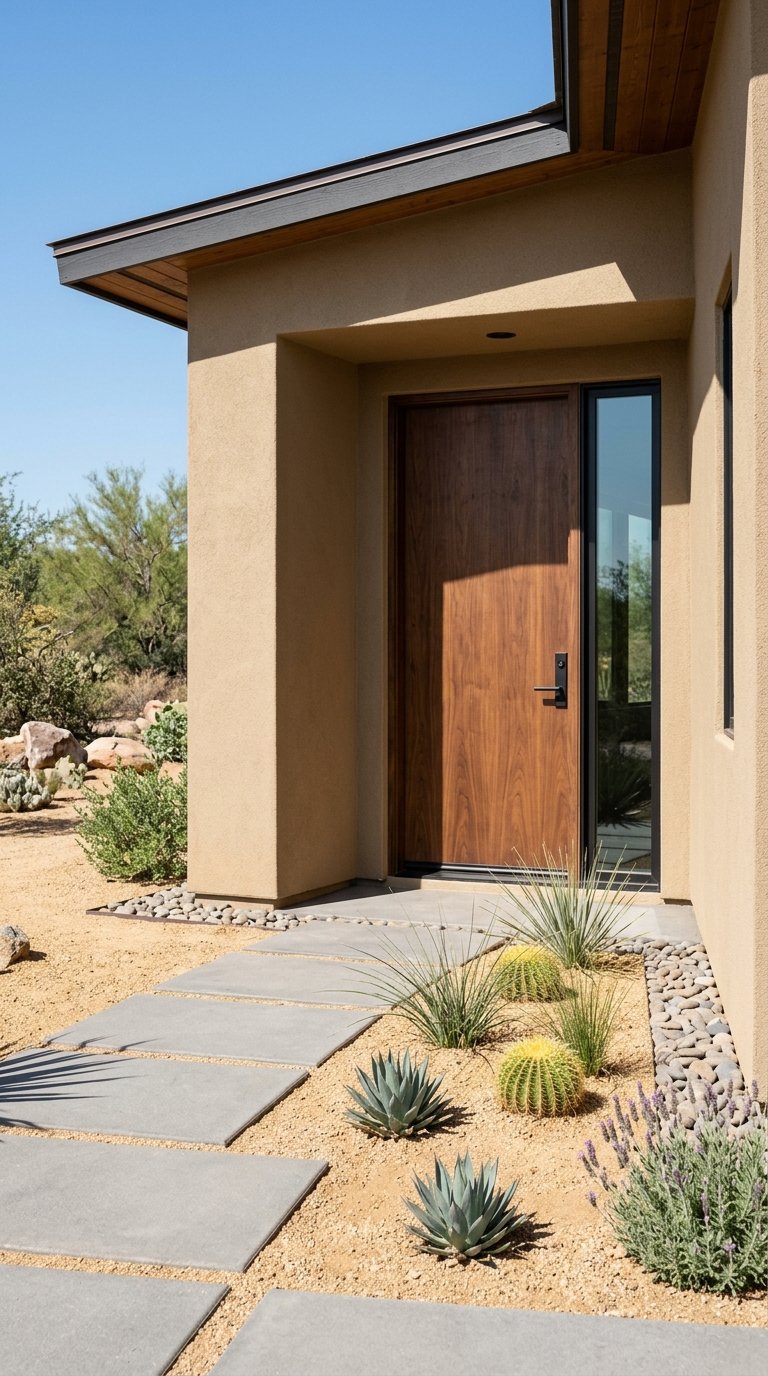
- Improve landscaping and curb appeal
- Invest in professional photos
These steps support both your in-person showing experience and your online presentation. Since most buyers are looking online before they ever tour a property, visible improvements that photograph well tend to offer some of the highest return for sellers.
Stage The Rooms That Count Most
You do not need to stage every room to make a strong impression. If you want to maximize value efficiently, focus your effort where buyers tend to pay the most attention.
NAR’s 2025 staging report found that the most important spaces to stage are the living room, primary bedroom, and kitchen. Sellers’ agents most often staged the living room, primary bedroom, dining room, and kitchen. That gives you a clear order of priority if you are trying to decide where to spend your time and money.
If your home is occupied, simple staging may be enough. Rearranging furniture, removing excess items, adding balanced lighting, and creating a cleaner visual flow can make rooms feel larger and more functional. If your home is vacant, virtual staging can also help buyers understand the scale and purpose of the space.
The value of staging is not just cosmetic. NAR reported that 29% of agents said staging produced a 1% to 10% increase in the dollar value offered, and 49% of sellers’ agents observed faster sales. That does not mean every home will see the same result, but it does support the idea that presentation can have a measurable effect.
Make Your Listing Look Tour-Worthy
Your online listing is your first showing. In many cases, it is the moment when buyers decide whether your home is worth seeing in person.
NAR’s 2025 report says 73% of buyers’ agents rated photos as highly important. The same report found that traditional physical staging, video tours, and virtual tours also play a meaningful role in buyer interest. If your home does not photograph well, your price may not get the attention it deserves.
Professional photos should not be treated as optional if your goal is to maximize sale price. Clean lines, bright rooms, and well-staged key spaces help your home compete more effectively. NAR also found that about half of agents believe buyers expect homes to look professionally staged, and 58% of professionals said buyers were disappointed when homes did not match those expectations.
That gap between online expectations and the in-person experience can hurt your negotiating position. The goal is simple: your home should look appealing online and feel consistent in person.
Spend Your Prep Budget Wisely
Not every seller wants to pour money into pre-listing work, and that is understandable. The smarter move is to allocate your budget where it is most likely to improve photos, showings, and perceived value.
The research points to a sensible priority order. Start with visible items that affect the way your home shows in person and online. After that, put remaining budget toward staging your main living spaces.
NAR reports that the median cost of a staging service is about $1,500, compared with about $500 when the listing agent handled staging. That does not mean full professional staging is always necessary. It means you should weigh the cost against your home’s price point, condition, and competitive position in the Peoria market.
A simple way to think about it is this:
| Prep Item | Why It Matters |
|---|---|
| Decluttering and cleaning | Improves photos and buyer perception immediately |
| Minor repairs | Reduces signs of deferred maintenance |
| Paint touch-ups | Makes the home feel fresher and better cared for |
| Curb appeal work | Strengthens first impressions before buyers enter |
| Main-room staging | Helps buyers visualize how the home lives |
| Professional photography | Increases click-through interest and showing activity |
When sellers overspend on lower-impact updates and ignore presentation basics, they often miss the mark. A clean, polished, well-photographed home usually does more for your sale price than an expensive project buyers may not value the same way.
Avoid Major Remodels Unless Needed
Many sellers wonder if they should renovate before listing. In most cases, the answer is no unless a major functional issue or obvious defect is affecting the home’s marketability.
That conclusion aligns with NAR’s definition of staging, which centers on cleaning, decluttering, repairing, depersonalizing, and updating rather than remodeling. If your kitchen or bathroom is dated but functional, you may not need a full renovation to sell successfully. Cosmetic improvements and stronger presentation are often the more practical play.
Before spending heavily, ask whether the project will truly change buyer perception enough to justify the cost. If not, you may be better off investing in prep work that supports a better launch and stronger first impressions.
Think Like A Buyer In Week One
The first week on the market is where many of your pricing and presentation decisions get tested. Buyers compare your home to competing listings quickly, and they tend to notice value gaps right away.
In Peoria, where homes are selling but buyers remain selective, your home needs to feel market-ready from the start. That means realistic pricing, sharp photography, clean presentation, and well-prepared key rooms. If those pieces line up, you give yourself a better chance to attract solid interest early.
Early interest matters because it can create better leverage. The more confident buyers feel about your home in the first few days, the more likely you are to protect price and avoid chasing the market later with reductions.
Build A Sale Strategy, Not Just A Listing
Maximizing sale price in Peoria is not about guessing high and hoping for the best. It is about reading the market clearly, preparing the home with discipline, and launching with a plan that supports both attention and value.
That is where a more analytical, outcome-focused approach can make a real difference. When you evaluate pricing, condition, buyer expectations, and presentation as one strategy, you put yourself in a much stronger position to sell with confidence.
If you are preparing to sell in Peoria and want a tailored plan to position your home for the strongest possible result, connect with Anthony Escobar for a strategy-driven approach built around pricing, presentation, and execution.
FAQs
What is the best first step for selling a home in Peoria?
- Start by addressing what buyers notice first: clutter, cleanliness, pet traces, visible wear, and overall presentation.
How should I price my Peoria home to maximize sale price?
- Use recent comparable sales as your foundation, then adjust for condition, updates, lot features, and presentation instead of pricing aggressively above the market.
Do I need to stage every room before listing my Peoria home?
- No. Focus first on the living room, primary bedroom, kitchen, and dining areas, since those spaces tend to have the biggest impact.
Should I remodel my Peoria home before selling?
- Usually not, unless a major functional issue or obvious defect is hurting your home’s appeal or pricing potential.
Why are professional photos important when selling in Peoria?
- Buyers often decide whether to tour a home based on the listing, and high-quality photos help your home stand out and support stronger early interest.