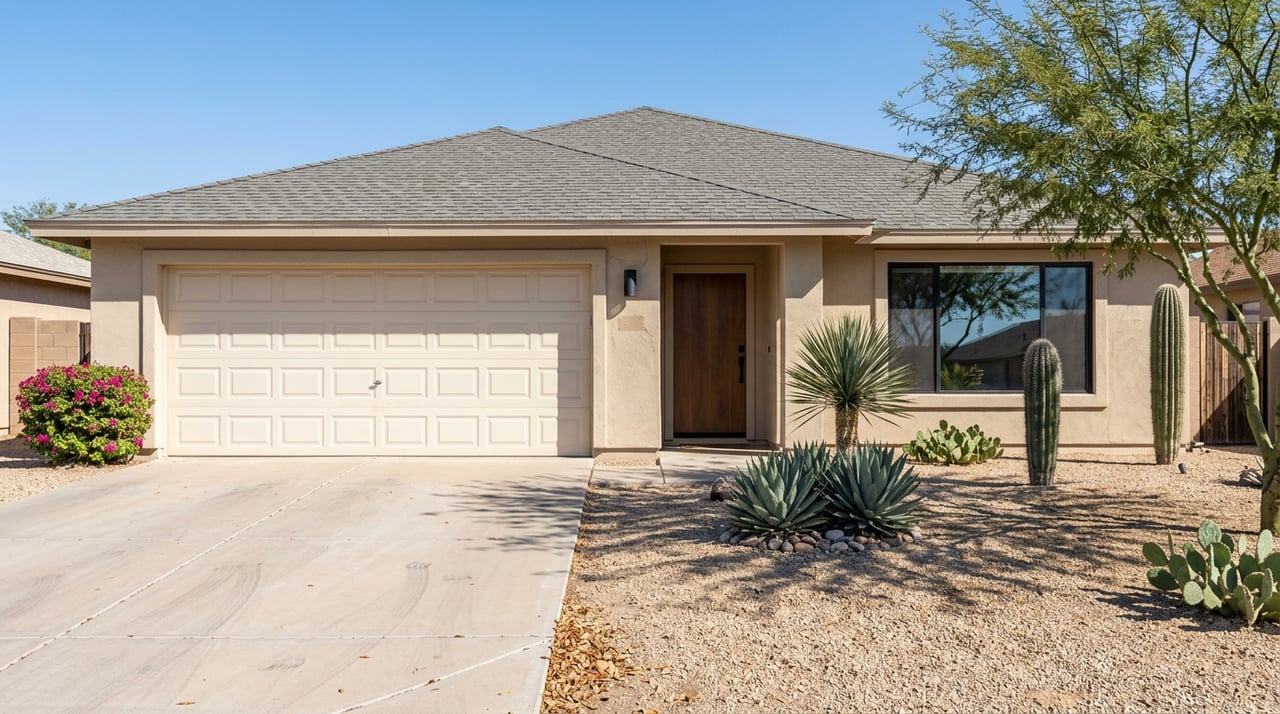
Thinking about selling your Paradise Valley home and wondering if a few upgrades will put more money in your pocket or if selling as is is the smarter move? You are not alone. In a luxury market like Paradise Valley, the right prep can expand your buyer pool and shorten your timeline, while the wrong project can add months with little payoff. In this guide, you will learn how buyers think in PV, which updates typically deliver, what “as is” really means with financing, and a simple framework to choose the best path for your goals. Let’s dive in.
Paradise Valley market reality
Paradise Valley operates as an ultra luxury submarket within Greater Phoenix. Homes often trade in the multi million range and inventory is limited. That creates a sensitive tradeoff between what it costs to fix and how much the buyer pool grows when you do.
Transaction counts here are low compared with larger submarkets, and a few trophy sales can sway averages. When you weigh renovate vs sell as is, it helps to look at rolling 3 to 12 month comps, both active and closed, by price band. A data first approach gives you a truer sense of demand at your likely price.
What PV buyers expect
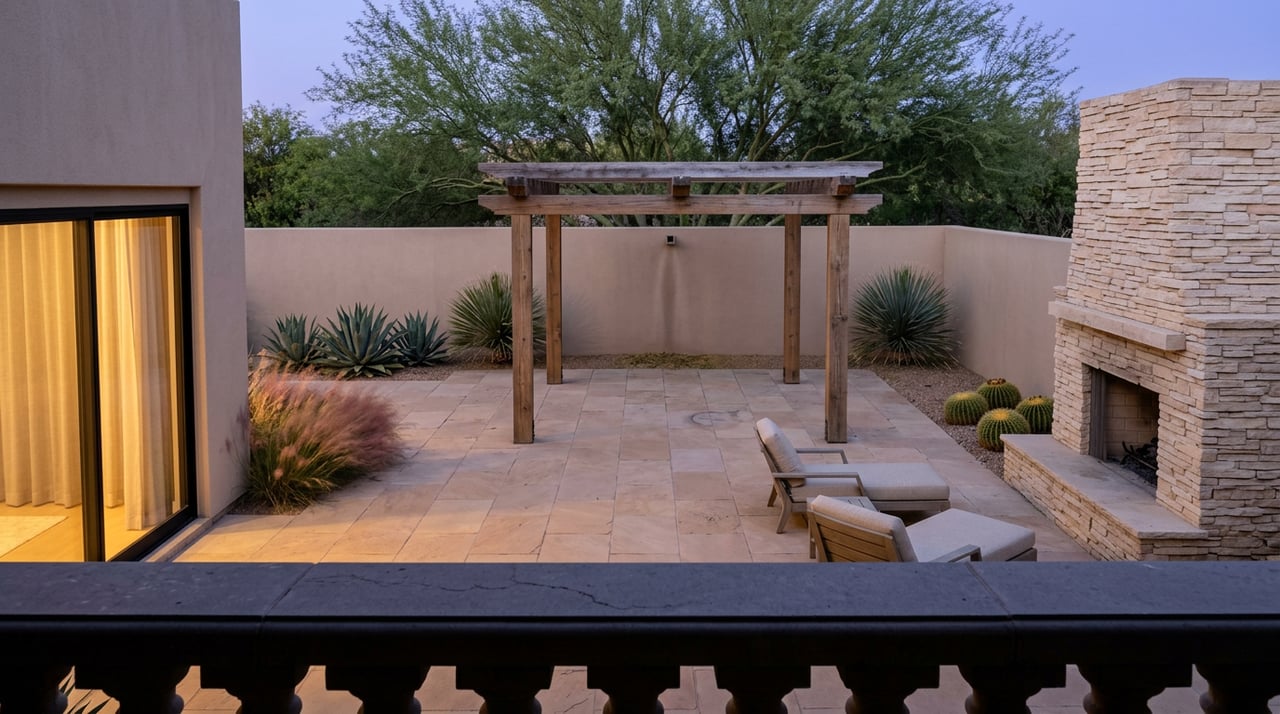
Paradise Valley housing is largely custom estates with resort style living. Buyers often expect thoughtful indoor outdoor flow, a polished arrival, and clear documentation for systems like multi zone HVAC, pool equipment, and electrical panels. Many PV buyers are relocating or purchasing a second home, so turnkey presentation matters.
Staging and strong online presentation can reduce time on market and support stronger offers. National research shows that professional staging helps homes sell faster and can positively influence buyer perception. See the latest findings in NAR’s staging research.
Renovate or sell as is: ROI guide
High ROI quick wins
Focus on visible, fast upgrades that improve first impressions:
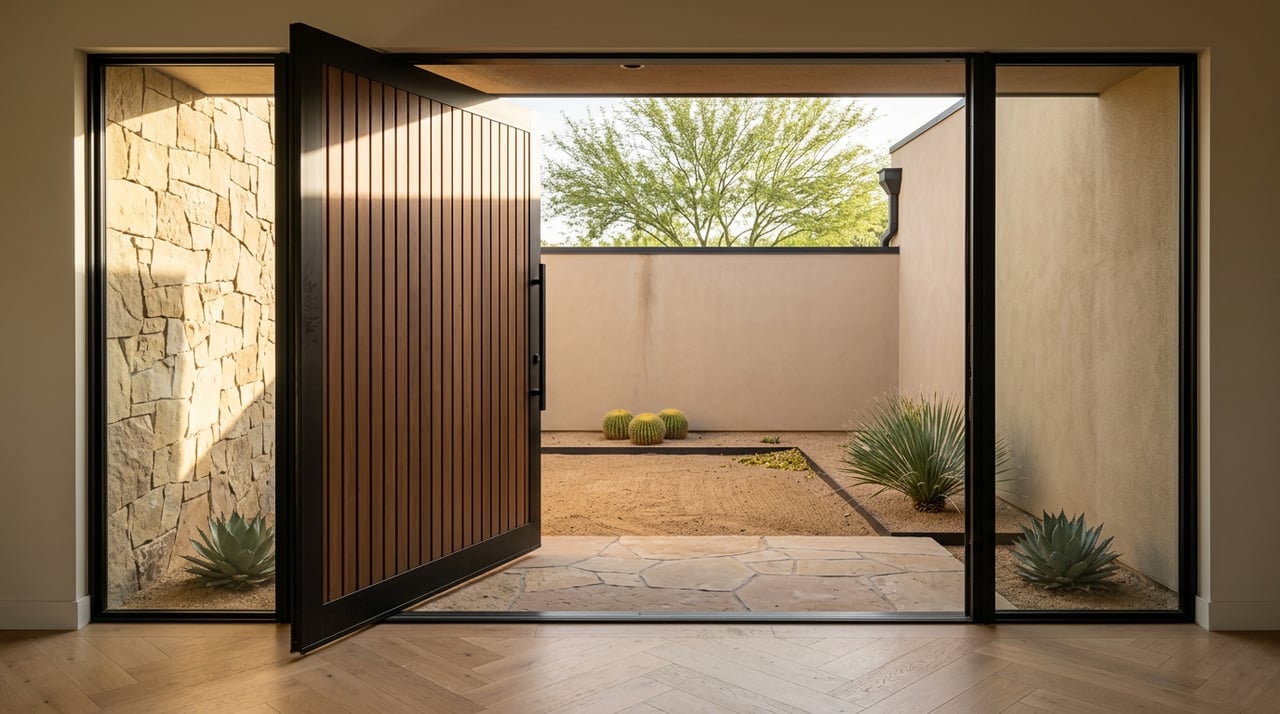
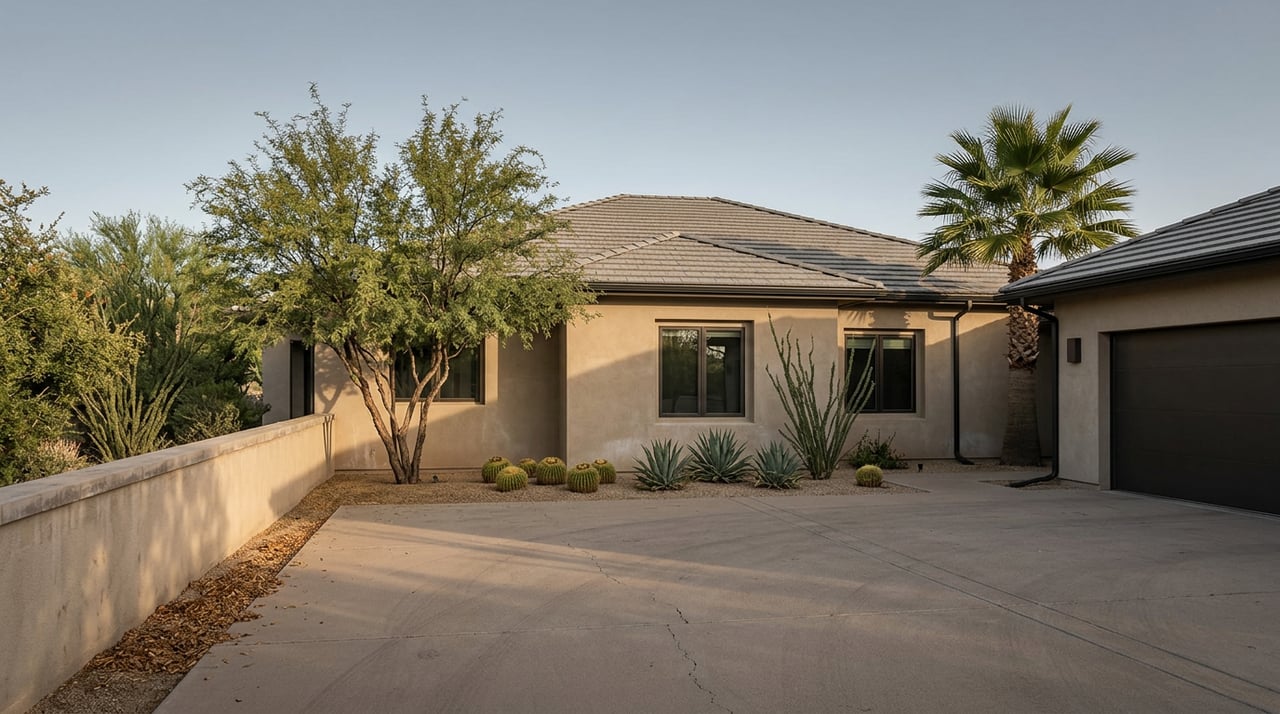
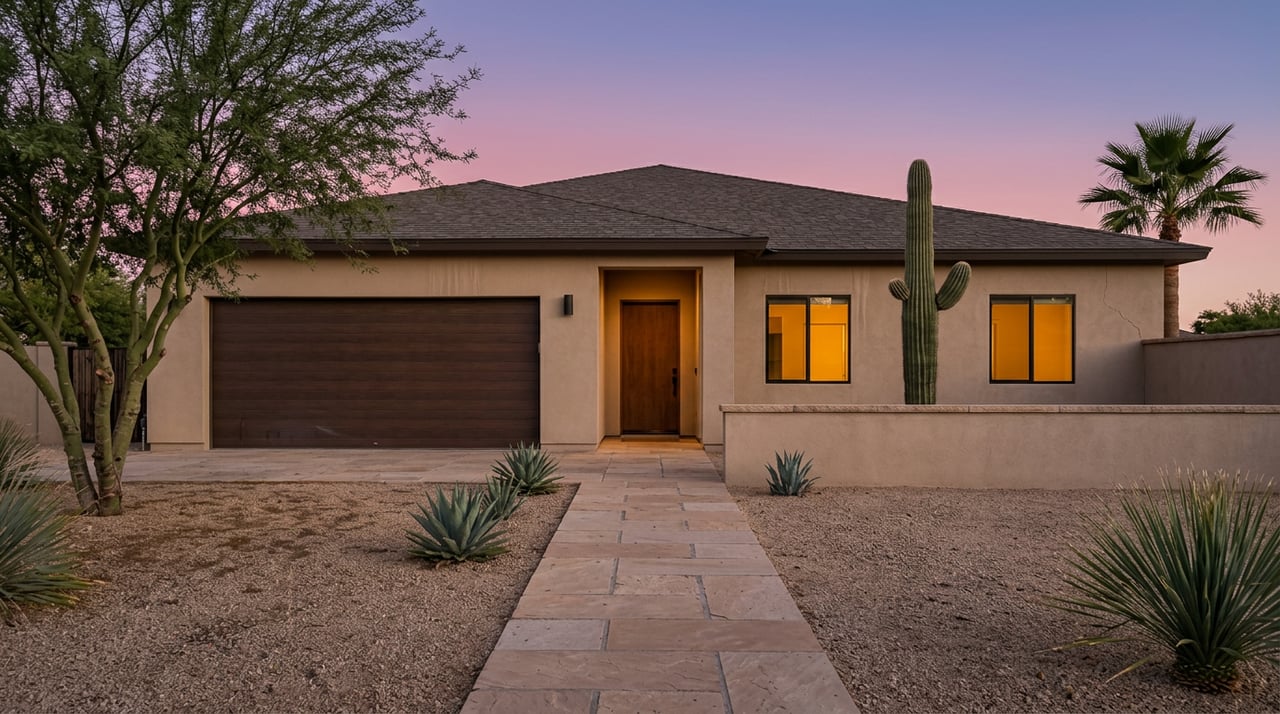
- Exterior refresh: paint touch ups, front door update, and garage door upgrade.
- Arrival work: pressure washing, simple landscape tune, clear path lighting.
- Professional declutter and targeted staging to define spaces.
Across Phoenix region benchmarks, exterior and entry projects often rank among the best for percent recoup at resale. Review the regional data in the Cost vs Value report.
Targeted interior refreshes
If your kitchen or baths are dated but functional, a minor refresh can outperform a full gut. Think cabinet refacing or paint, new counters and hardware, lighting, and updated appliances. In Phoenix area Cost vs Value results, a minor kitchen remodel often shows high resale capture compared with large upscale projects. These jobs commonly run several weeks from design to completion, depending on materials and contractor availability.
Big remodels and additions
Major kitchen guts, primary suite additions, large pool reworks, and footprint changes carry high cost and long timelines. Benchmarks show upscale, major projects usually recoup a smaller share of cost at resale than smaller, visible improvements. If your timeline is short or you will not enjoy the upgrade yourself, be cautious. The Cost vs Value report is a helpful calibration tool before you commit.
Systems and safety first
In luxury price bands, buyers expect robust infrastructure. Well serviced HVAC, updated electrical panels, and pool equipment under warranty can reduce objections and speed closing more than a purely cosmetic upgrade. While these items may not return dollar for dollar, they lower renegotiation risk and support appraisals.
Financing, appraisal and permits
What “as is” means with lenders
Even if you sell as is, lenders still require safe, sound, and sanitary property conditions. If an appraiser flags minimum property requirements, the lender may require repairs or escrow before closing. This can derail a financed deal or force price concessions. Review the federal guidance on minimum property standards and plan accordingly.
Cash and jumbo dynamics
At the luxury level, cash and jumbo financing play a larger role. Cash buyers reduce appraisal risk and can move quickly, but they may expect a discount on homes needing work. Weigh speed and certainty against price when considering as is offers. For context on luxury buyer behavior, see coverage of cash led purchases in Mansion Global.
Permits in Paradise Valley
Many interior and exterior projects in Paradise Valley require permits, inspections, and sometimes engineering. Build time for permits into your plan to avoid delays. Start early with the Town’s Community Development team using the Paradise Valley Community Development portal.
A simple decision framework
Use this repeatable process to choose between renovate and sell as is.
Step 0: Clarify timing
- Is your move date fixed or flexible? If timing is tight, focus on quick wins or an as is strategy with the right price.
Step 1: Market scan by price band
- Review rolling 3 to 12 month comps and active listings by sub neighborhood and price band. Track list to close behavior, median days on market, price cuts, and pending ratios.
Step 2: Pre list inspection and staging plan
- Order a seller paid pre listing inspection to find safety or major items early and decide repair vs pricing strategy. NAR outlines why inspections help reduce renegotiation risk. See NAR’s inspection guidance.
- Build a targeted staging plan supported by NAR’s staging research.
Step 3: Two bids per scope
- Bid 1: Safety and systems fixes, paint, curb appeal, pool tune, landscape refresh.
- Bid 2: Add one or two midrange refreshes, like a minor kitchen or primary bath update. Use the Cost vs Value report to set conservative resale expectations. Include a 10 to 20 percent contingency.
Step 4: Model three scenarios
- Scenario A — Sell as is: price to match similar condition comps. Expect investor, project oriented, or cash interest.
- Scenario B — Targeted refresh: invest modestly in quick wins plus one interior refresh. Expect a larger buyer pool and faster showings.
- Scenario C — Major remodel: account for months of work, carrying costs, permit time, and lower recapture odds.
Step 5: Compare net and risk
- Build a net sheet for each scenario: projected sale price range, less commissions, closing costs, renovation spend, carrying costs, and a negotiation buffer. Choose the path that best matches your timing and risk tolerance.
Step 6: Execute with precision
- Renovating: order long lead materials and start permits immediately. Plan photography and staging for day one of market readiness.
- Selling as is: use your inspection to disclose clearly and signal potential to the market. Price with appraisal and loan risks in mind.
Pre list checklist
Prioritize the work that changes first impressions and buyer confidence.
- Priority A — Fast wins: curb arrival, front and garage doors, paint touch, professional photography, and targeted staging. Reference the Cost vs Value report for exterior ROI context.
- Priority B — Buyer appeal: minor kitchen refresh, primary bath refresh, flooring repair or refinish, pool tune, and mechanical servicing with transferable warranties.
- Priority C — Long timeline: full kitchen gut, large additions, major site rework. Consider these only if you plan to enjoy the upgrade or if comps support a higher price band.
Example scenarios
- As is, market correct: You price alongside similar condition homes and focus on clean disclosures. Expect a leaner but motivated pool, often cash or jumbo buyers in PV.
- Targeted refresh: You invest in curb appeal, paint, staging, and a minor kitchen or bath update. The home photographs better, shows faster, and appeals to out of state buyers seeking turnkey.
- Major remodel: You delay listing for months and face permit and material lead times. Your net may improve only if local comps support a higher tier and finish quality lands where buyers expect.
The bottom line for PV sellers
In Paradise Valley, small, visible improvements and strong presentation often deliver more than big construction. Systems that pass lender and appraisal scrutiny protect your deal. If your timeline is short, lean on fast wins or sell as is with the right price. If you have flexibility, a targeted interior refresh layered on top of great arrival and staging can widen your buyer pool and improve your net.
Ready to pressure test your options with real numbers? Let’s build your as is vs renovate model, timeline, and go to market plan. Connect with Anthony Escobar to get started.
FAQs
Should Paradise Valley sellers renovate or sell as is?
- It depends on your timing, budget, and comps; quick wins plus targeted refreshes often outperform major remodels, while as is works when priced to condition with lender requirements in mind.
What projects in Phoenix typically recoup best at resale?
- Regional benchmarks show exterior and entry updates and minor kitchen refreshes often rank highest for percent recoup; review the Cost vs Value report for current data.
How does selling as is affect buyer financing in PV?
- Lenders require safe, sound, and sanitary conditions; if an appraiser flags issues, repairs or escrow may be required, so review HUD’s minimum standards before setting strategy.
Do luxury cash buyers change the equation?
- Cash buyers reduce appraisal risk and often close faster, but they may seek discounts for needed work; see cash dynamics discussed in Mansion Global.
Do I need permits for pre list updates in Paradise Valley?
- Many interior and exterior projects require permits, so build time for reviews and inspections using the Town’s Community Development portal.