If you are shopping for a luxury home in Sedona from out of state, you are not just comparing square footage and finishes. You are buying into a small, scenic market where views, lot position, and limited supply can shape pricing in a big way. The good news is that once you understand how Sedona’s luxury segment works, you can make smarter decisions and avoid reading the market through the wrong lens. Let’s dive in.
Sedona Luxury Market at a Glance
Sedona’s public market reports generally treat $1 million and up as the luxury threshold. In 2025, that segment recorded 254 sales, which was up 17% year over year, with a $1.5 million median price and an average of $590 per square foot, according to the Sedona market update.
The broader single-family market also finished the year on solid footing. The same reporting showed 423 sales, a $1.149 million median closing price, and a 97% sale-to-list ratio, with virtually no distressed activity, which points to a market that remained relatively stable at the end of 2025.
For out-of-state buyers, that matters because Sedona is not a market where discounts are automatic just because you are shopping from afar. It is a constrained, lifestyle-driven market where well-positioned homes can continue to attract serious demand.
Why Sedona Feels Different
Sedona is a small resort town with roughly 10,000 to 11,500 residents, and the population rises with seasonal visitors and second-home owners. Year-end data also showed only 115 active listings and 35 pending sales at the close of 2025, reinforcing how limited supply can be in this market, based on the 2025 year-end market stats.
Sedona also has limited undeveloped land remaining, which adds to the sense of scarcity. For buyers coming from larger metro areas, that can be an adjustment. You may see fewer options at any given time, and the best homes may carry a premium because there are simply not many true substitutes.
Another important point is that Sedona’s median price is best used as a trend signal, not as a shortcut for valuing a specific property. In a market with a heavy concentration of million-dollar sales, individual home values can vary widely based on setting, architecture, and view orientation.
Views Drive Premium Pricing
In Sedona, views are not just a bonus feature. They are often a core part of value.
The local tourism bureau highlights Sedona’s red-rock landscape, including landmarks like Cathedral Rock and Bell Rock, and the city’s land-use framework is designed to protect scenic views and community character, as noted by Visit Sedona and the city’s planning guidance. That helps explain why homes with stronger sightlines, protected view corridors, or standout lot placement often command higher pricing.
The year-end numbers make that especially clear. In 2025, the City of Sedona averaged $567 per square foot, while the Village of Oak Creek averaged $443 per square foot, a 28% premium that local reporting connects to a greater concentration of luxury homes, view parcels, and tighter inventory, according to the Sedona market update.
If you are evaluating homes remotely, this is one of the biggest reasons not to rely on photos alone. Two properties with similar square footage may trade very differently if one has stronger red-rock views, better privacy, or a more favorable lot position.
What Luxury Product Types You Will See
Sedona luxury real estate is not one-size-fits-all. Instead, the market tends to cluster around a few recognizable product types.
View-Oriented Custom Homes
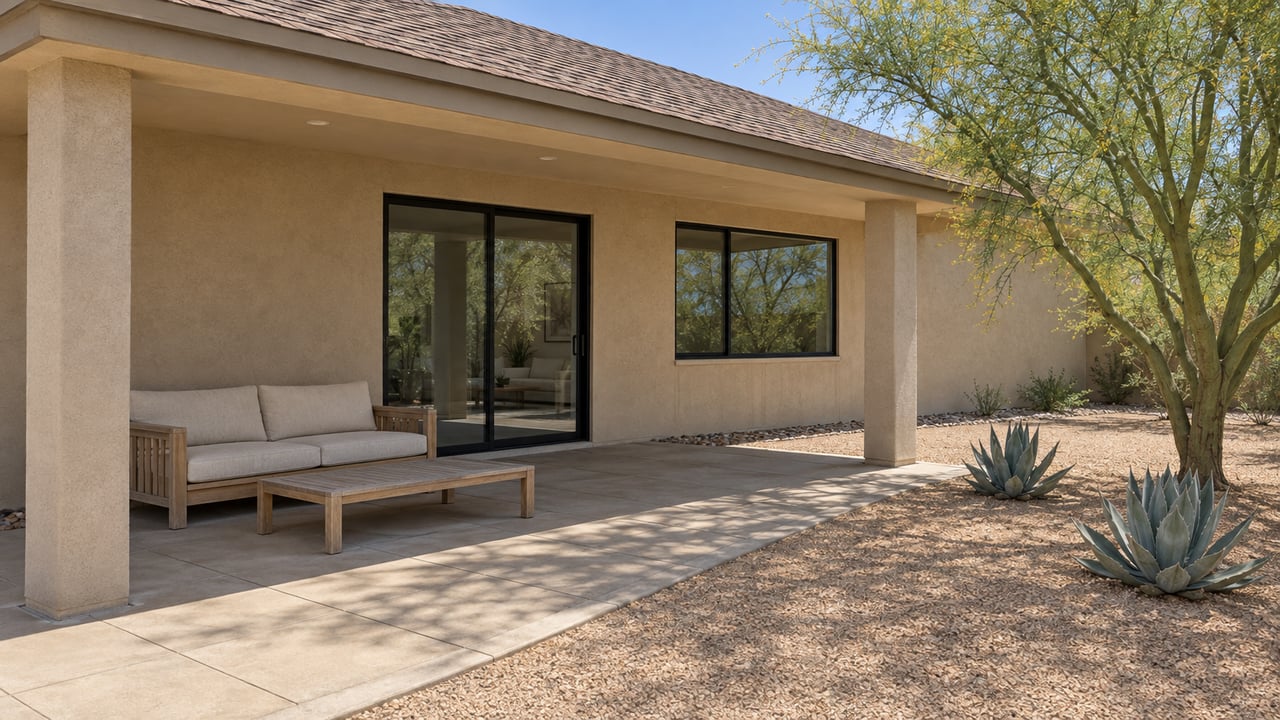
Many luxury buyers come to Sedona looking for a home that takes full advantage of the natural setting. These properties often prioritize outdoor living, large windows, terraces, and siting that frames red-rock vistas.
Because Sedona is so tied to landscape, lot selection can matter as much as the house itself. A home on an average lot may not compete the same way as one with stronger visual orientation or a more dramatic hillside setting.
Gated Golf and Trail Communities
A distinct niche in the Sedona market is found in gated golf and trail-oriented communities. The Sedona Chamber describes Seven Canyons as a private guard-gated community and identifies neighborhoods within it such as The Retreat, The Enclave, Solitude, Secret Ridge, and Sedona Ranch on Oak Creek, as outlined in this Seven Canyons overview.
For out-of-state buyers, communities like these can be appealing because they offer a more defined residential setting and close connection to golf, trails, and view-focused living. If you are comparing Sedona with other Arizona luxury destinations, this is one of the places where the market feels more resort-driven than suburban.
Southwest, Modern, and Transitional Design
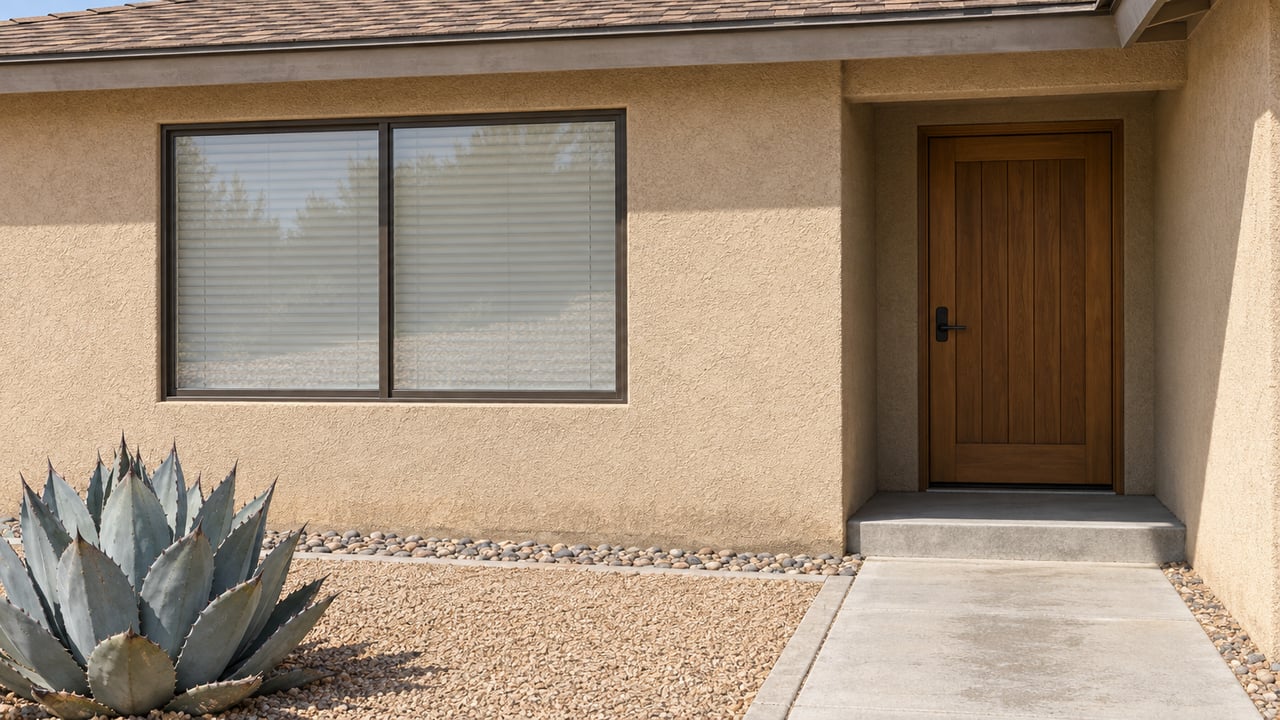
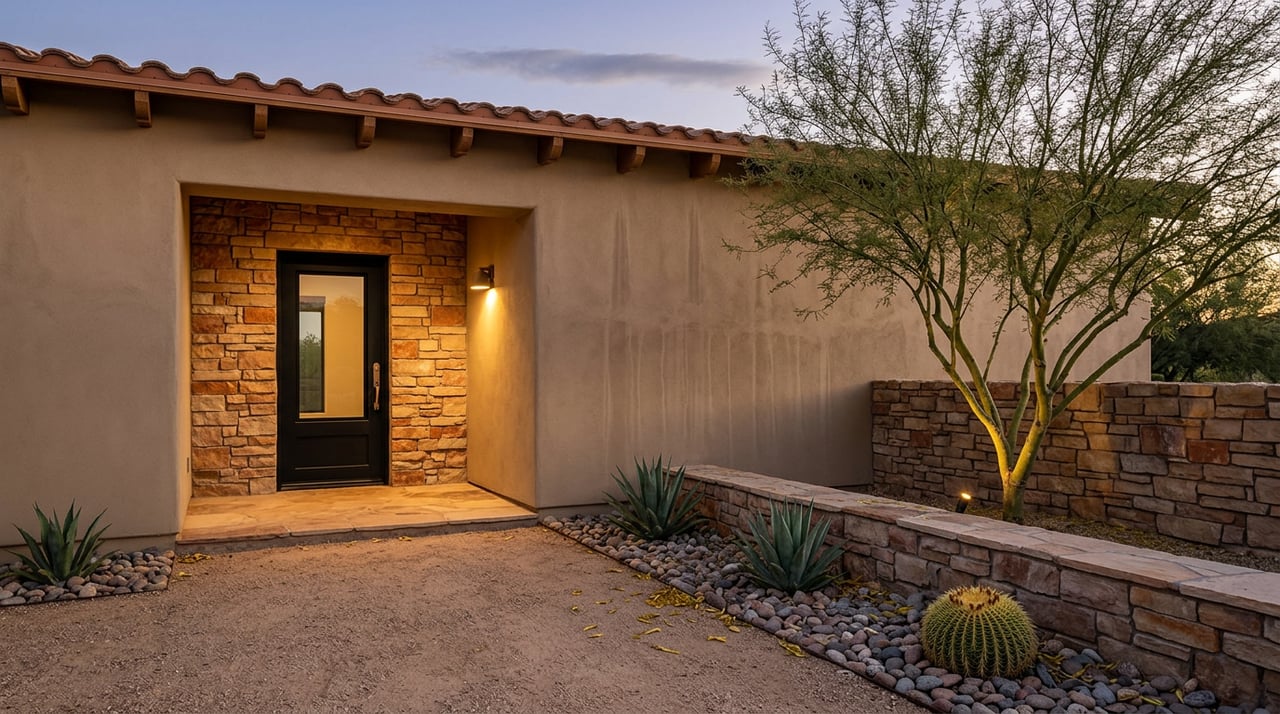
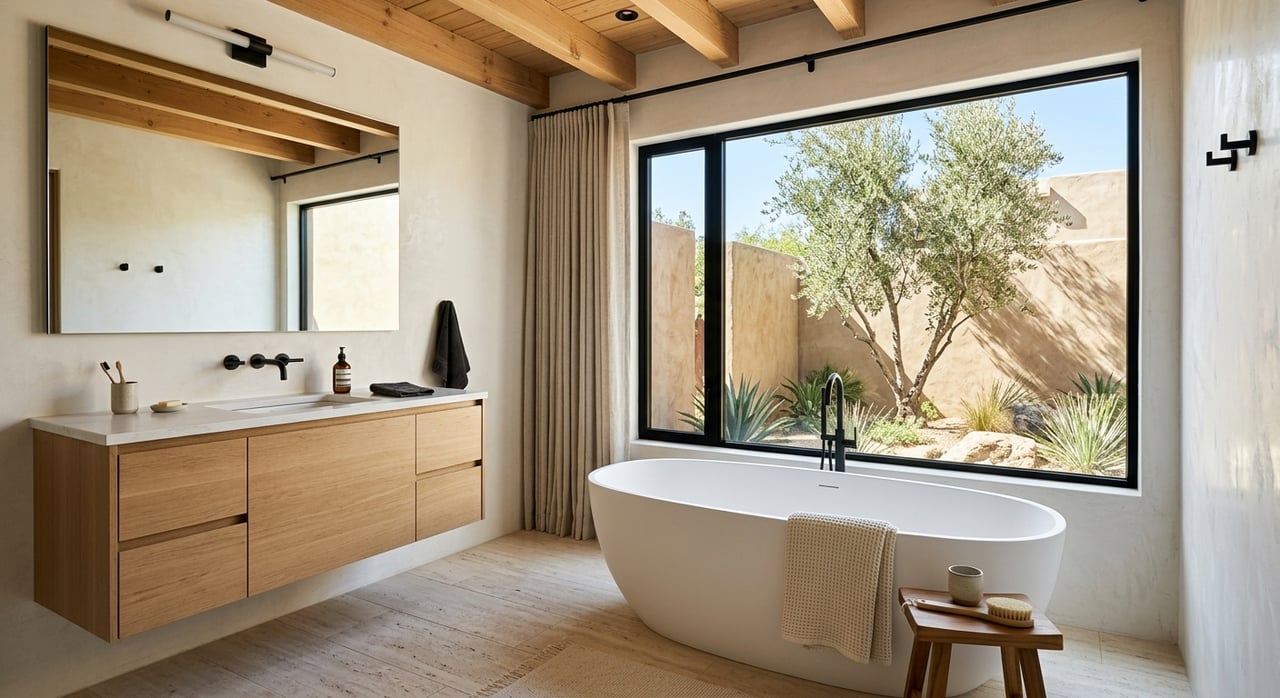
Architecture plays a major role in Sedona’s identity. The city’s design manual encourages buildings that reduce apparent bulk, use compatible materials, and blend with the natural terrain, with preferences that include stonework, stucco or block, exposed beams, covered walkways, and native-rock grading solutions, according to the City of Sedona design standards.
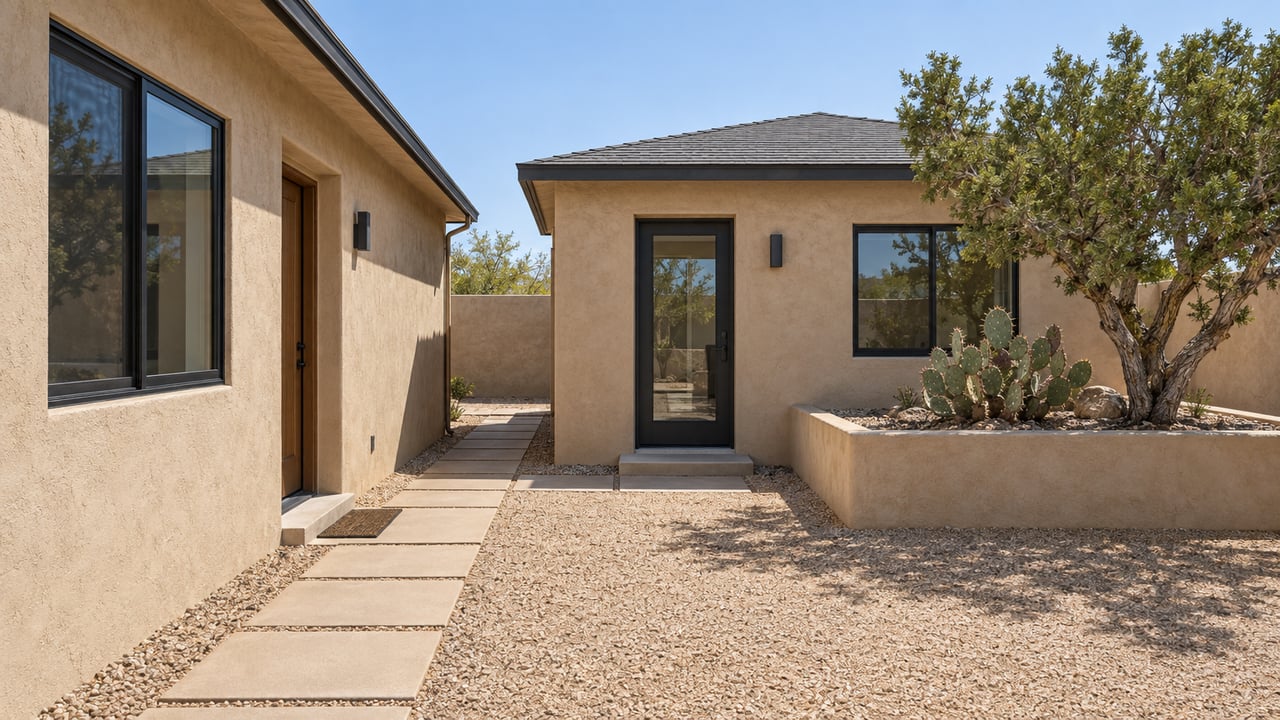
That framework helps explain why classic Southwest homes remain a defining part of the market. It also explains why newer luxury homes may look more modern or transitional while still reflecting materials and forms that fit the landscape.
What Seasonality Means for Your Search
Sedona’s market has a seasonal rhythm, and that is useful to know if you are planning travel, timing offers, or deciding when to start your search.
Local annual data suggest a stronger second half of the year, with 225 luxury sales in July through December compared with 213 in January through June. December was especially active, producing 51 single-family closings, the strongest month of the year, based on the 2025 year-end market stats.
Tourism patterns support that broader seasonality. City tourism reporting noted especially strong hotel occupancy in February, spring-driven demand in April, strong short-term-rental occupancy in October, and softer demand in July. The city’s shuttle data also shows peak ridership in March and April, according to the Sedona tourism and shuttle report.
In practical terms, listings often get strong exposure in late winter and spring, then again in fall, while midsummer tends to be less intense. For you as a buyer, that can shape when inventory comes online and how competitive the process may feel.
How Sedona Compares With Other Arizona Luxury Markets
Sedona is premium Arizona real estate, but it operates on a different scale than Scottsdale or Paradise Valley. That distinction is important for out-of-state buyers who may be comparing options across the state.
According to Realtor.com’s 2025 luxury reporting, Scottsdale’s luxury listing threshold was $5.5 million in April 2025, and more than half of its listings were priced at $1 million or more. By contrast, Sedona’s luxury segment posted a $1.5 million median and $590 per square foot average, placing it in a smaller, more lifestyle-driven tier.
That does not mean Sedona is less compelling. It means the value proposition is different. Buyers are often drawn to scarcity, scenery, trail access, and design quality, rather than the ultra-large scale or estate concentration you might see in the Phoenix suburbs.
What Out-of-State Buyers Should Watch Closely
Buying from another state requires a tighter decision process, especially in a market where property-specific factors matter so much.
Look Beyond Median Price
Median pricing is useful for understanding the direction of the market, but it will not tell you whether a specific home is priced well. In Sedona, lot placement, views, and design fit can create major pricing differences between properties that look similar on paper.
That is why a finance-minded approach matters. You want to compare a home not only by price and square footage, but also by qualitative drivers that can affect long-term desirability.
Study the Lot and View Corridor
In many markets, interior updates do most of the work. In Sedona, the lot often carries equal or greater importance.
You should pay close attention to view orientation, the relationship to surrounding homes, and how the property sits within the terrain. A stronger lot can support premium pricing today and help preserve marketability later.
Factor in Scarcity
With limited supply and constrained land, waiting for a long list of perfect options may not be realistic. If a home checks your key boxes on views, location, and design, hesitation can mean missing a rare fit.
That does not mean rushing. It means being prepared with clear criteria before the right property appears.
A Smart Buying Strategy for Sedona
If you are purchasing from out of state, a disciplined plan can make the process smoother and more efficient.
- Define your real priorities early. Decide whether your top driver is views, gated living, trail access, architecture, or lock-and-leave convenience.
- Evaluate each home as a unique asset. Sedona is not a market where average pricing tells the whole story.
- Time your search around seasonal patterns. Spring and fall can bring strong activity and better listing exposure.
- Use local guidance to narrow quickly. In a low-inventory market, fast and informed decision-making matters.
- Think long term. In Sedona, scenic value, design compatibility, and scarcity can be important parts of future resale appeal.
If you are considering a luxury purchase in Sedona, working with an advisor who understands both the market data and the property-level details can help you move with more confidence. If you want a strategic, numbers-driven approach to buying in Arizona’s resort markets, Anthony Escobar can help you evaluate opportunities with clarity and a high-touch process.
FAQs
What is considered a luxury home in Sedona?
- In Sedona’s public market reporting, homes priced at $1 million and above are generally treated as the luxury segment.
Why are Sedona luxury home prices so property-specific?
- Sedona pricing is heavily influenced by views, lot position, design, and inventory scarcity, so broad median figures are best used as trend indicators rather than direct home valuations.
How much inventory did Sedona have at the end of 2025?
- Year-end 2025 data showed 115 active listings and 35 pending sales, reflecting a relatively constrained market.
Are views really that important in Sedona luxury real estate?
- Yes. Local market data and city planning guidance both support the idea that scenic views and view corridors are major value drivers in Sedona.
When is the best time to buy a luxury home in Sedona?
- Sedona often sees strong market activity in late winter, spring, and fall, while midsummer is generally less intense.
How is Sedona different from Scottsdale or Paradise Valley for luxury buyers?
- Sedona is typically a smaller, more lifestyle-driven luxury market, where buyers often prioritize scenery, trail access, and design quality over the larger-scale estate market seen in parts of the Phoenix metro.