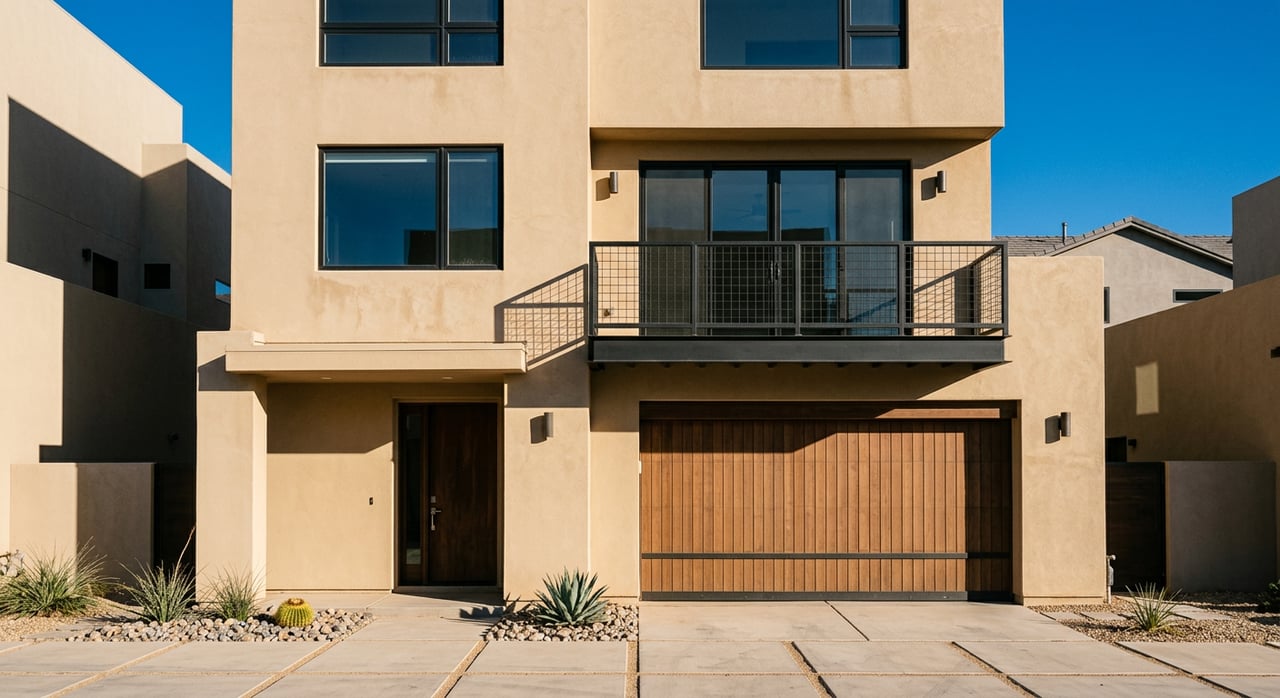
Is your ideal Phoenix home a skyline-view condo with concierge service, a sleek townhome with a rooftop deck, or a private urban estate near top dining? If you want lock-and-leave ease without giving up amenities, Phoenix offers a wide range of high-end options. You just need a clear map of what “urban luxury” looks like, where to find it, and how to budget for it. This guide breaks down product types, neighborhoods, prices, and a buyer checklist so you can move with confidence. Let’s dive in.
What urban luxury means in Phoenix
Urban luxury in Phoenix covers three main choices: amenity-rich condos, modern townhomes, and premium single-family homes in central corridors. Prices span from roughly the low six figures for boutique condos to several million for large penthouses and custom estates. The metro’s pricing has cooled from 2022 peaks yet remains higher than early-decade norms, with a recent city median near the mid-$400ks according to major market trackers. For top-tier vertical product, new condo releases have listed around 2 million dollars, which signals strong depth in the luxury segment. You will see different tradeoffs across each option, from walkability and staff services to private land and outdoor space.
High-end condos: lock-and-leave ease
Amenities you can expect
Luxury condo buildings in Phoenix often feature secure entry, a staffed lobby or concierge, covered parking, climate-controlled storage, and residents’ lounges. Rooftop pools, fitness centers, guest suites, and integrated smart-home systems are common in newer projects. Many associations bundle some utilities or building services, which supports true lock-and-leave living.
Typical price ranges
- Entry boutique and older high-rise units: about $300k to $600k depending on size, finishes, and location.
- Amenity-rich mid-rise or central high-rise units: about $600k to $1.2M.
- Large residences and penthouses: $1M and up, with examples reaching $2M and higher. Recent local reporting highlights multi-million-dollar condo offerings in premium corridors like Desert Ridge, underscoring market depth for vertical luxury as seen in this coverage of new luxury condo releases.
Ownership and HOA questions
Before you fall in love with a view, confirm the details that shape your monthly costs and flexibility:
- HOA dues and scope. What do dues include, such as water, building insurance, internet, or even part of your AC? Are reserves strong and free of recent special assessments?
- Leasing rules. Some buildings restrict rentals or short-term stays. Review CC&Rs and any city requirements.
- Parking and storage. Verify deeded spaces, guest parking access, EV charging, and climate-controlled storage.
Modern townhomes: space with ease
Features buyers love
Modern urban townhomes tend to offer attached garages, rooftop decks or large terraces, and upgraded kitchens and baths. Communities may add gated entries, pools, small fitness centers, and HOA-managed landscaping for low upkeep. If you want a single-family feel with minimal exterior maintenance, townhomes often strike a smart balance.
Typical price ranges
You will find a wide band from about $450k to $900k for many newer or renovated townhomes in Phoenix’s central corridors. Highly finished or prime-location units can reach $900k to $1.2M and higher, especially near Camelback or Scottsdale. Rooftop decks and private garages are common at various price points, with entry pricing sometimes dipping below $500k in select offerings.
Premium urban single-family homes
Where these homes cluster
In central Phoenix, many premium single-family options sit in or near the Biltmore, Camelback Corridor, Arcadia, and parts of North Central. These homes often pair a quieter neighborhood feel with fast access to top restaurants, shopping, and cultural venues. Resorts, golf, and mountain views add to the premium in certain pockets. The Biltmore area in particular blends resort-adjacent living with established luxury appeal, supported by strong retail and dining nodes around Camelback and the historic resort presence of the Arizona Biltmore.
Typical price ranges
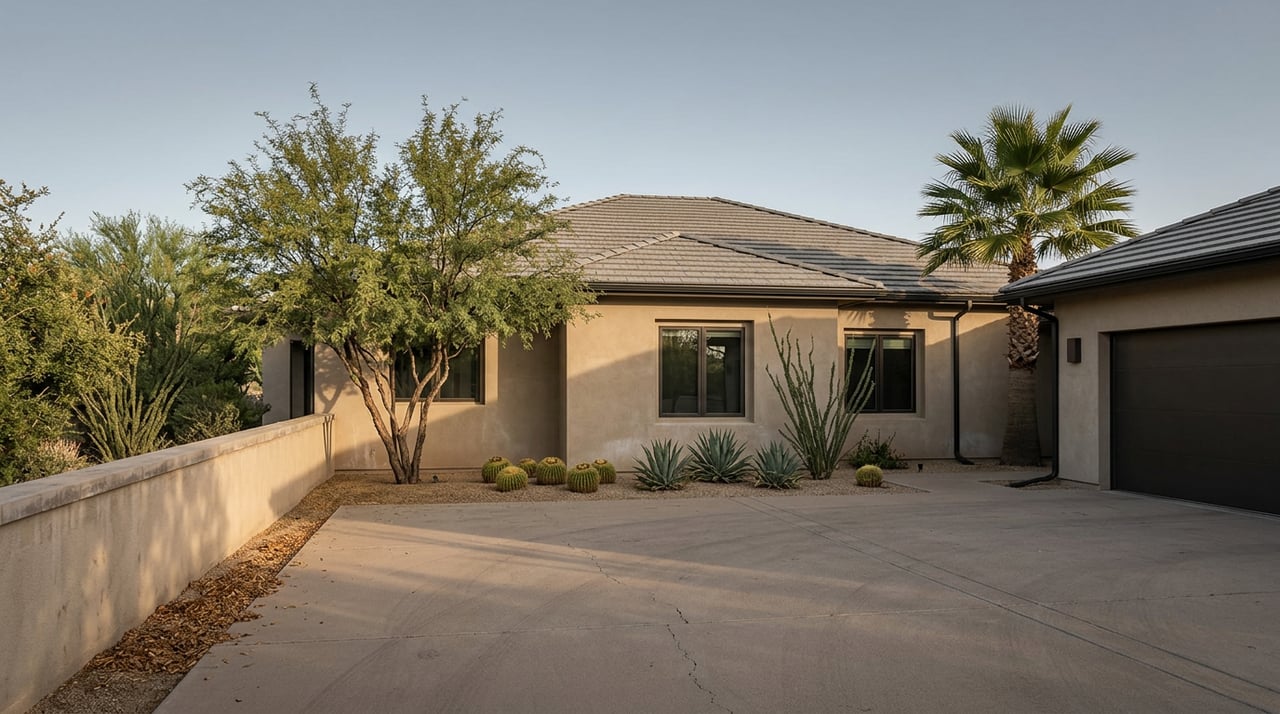
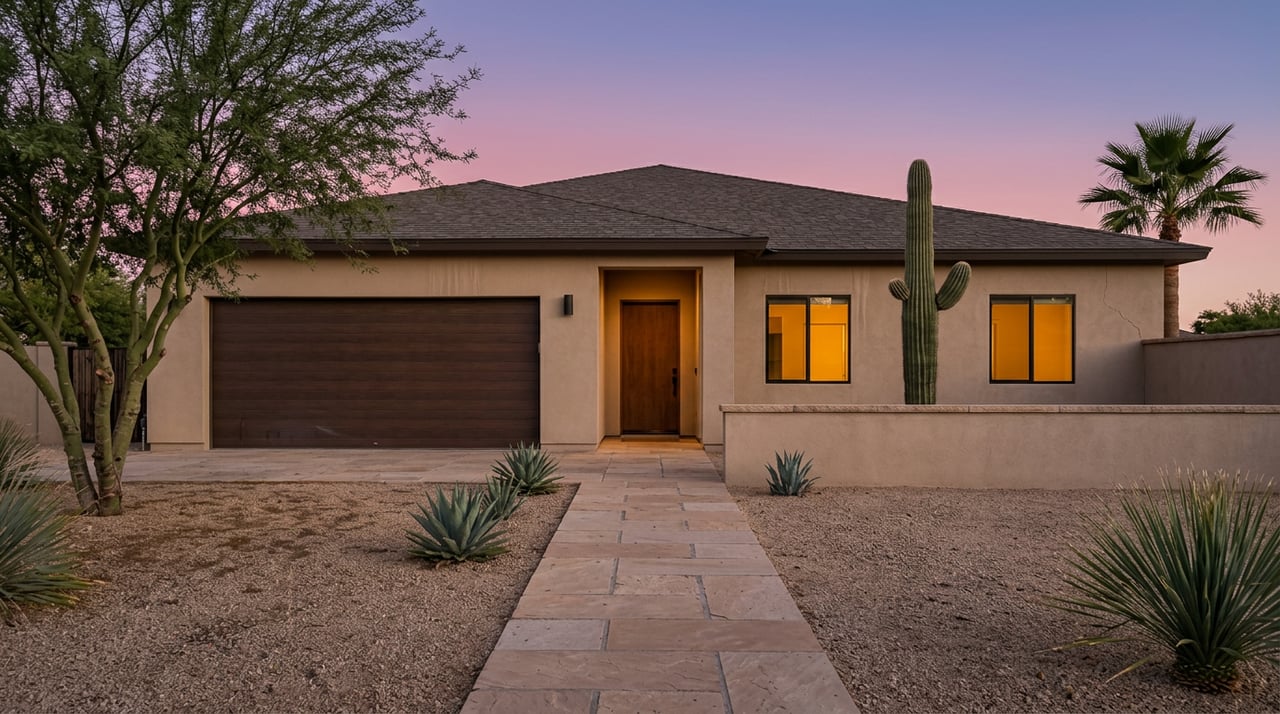
Expect a wide spread from roughly $800k to $3M and beyond. Pricing reflects lot size, remodel or new construction status, architectural style, and exact micro-location. Desert-contemporary infill and high-spec renovations can command top-of-market values, especially when paired with views and resort or golf proximity.
Phoenix neighborhoods to know
Downtown and Roosevelt Row
If you want a true city-on-foot lifestyle, start here. Downtown Phoenix and Roosevelt Row combine art, dining, and events with vertical living in towers and boutique lofts. The corridor has Valley Metro Light Rail access for easy links to Tempe and Mesa, which adds practical convenience for commuters and visitors as described by Visit Phoenix’s downtown transportation overview. Roosevelt Row is a recognized arts district with a walkable core and frequent street-level energy documented in area planning materials.
Biltmore and Camelback Corridor
This is resort-adjacent, golf-oriented luxury with a long track record. You will see high-rise condos and guarded single-family enclaves, plus strong shopping and dining around Camelback. Walkability varies by pocket, but overall access to amenities is high.
Arcadia and Camelback East
Arcadia is known for larger lots and a mix of mid-century and modern homes, along with quick access to dining and mountain trails. It delivers an urban-adjacent feel for buyers who want private outdoor space along with short drives to the city’s core.
Midtown, Encanto, and Uptown
These central neighborhoods blend mid-century architecture, garden-style condos, and single-family streets near museums and parks. Many buyers choose them for shorter commutes to downtown and a neighborhood scale that still feels connected to the core.
Tempe and Old Town alternatives
If your work or social life centers around ASU, Mill Avenue, or Old Town Scottsdale, you can find strong urban options there too. ASU remains a major regional anchor, drawing talent and activity that support nearby housing demand according to university facts and figures.
Design and climate details that matter
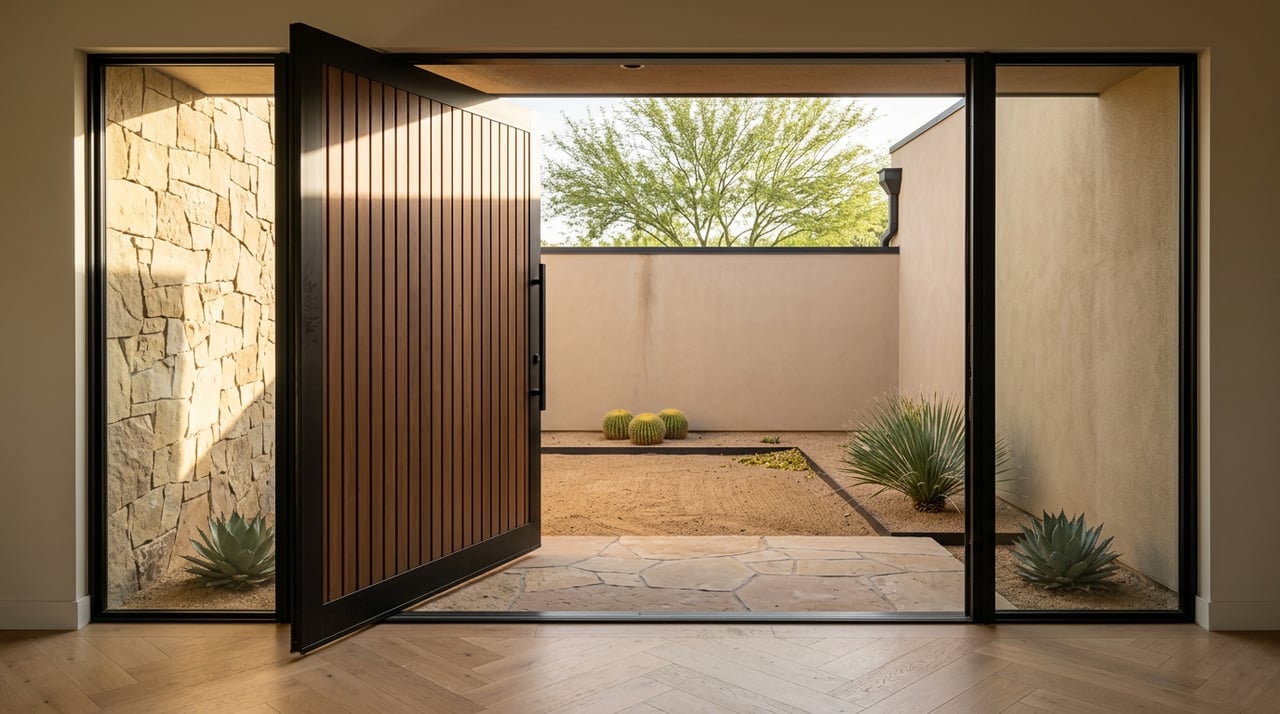
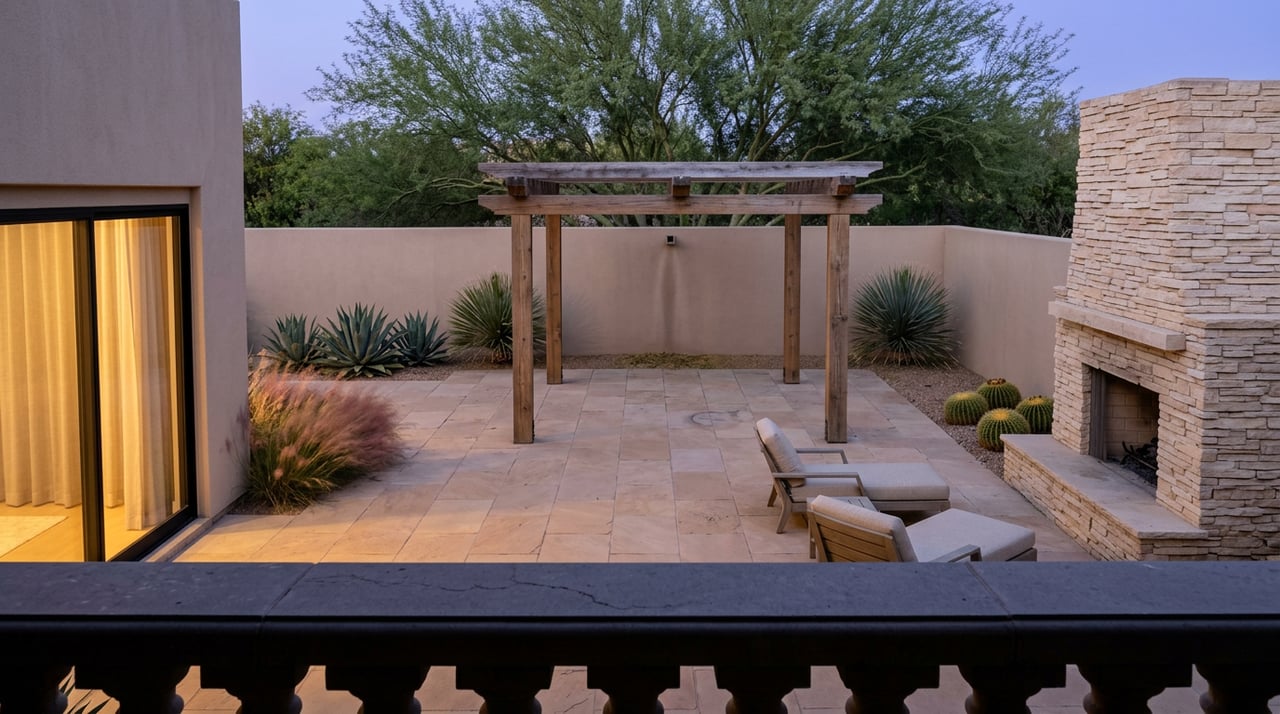
Phoenix luxury embraces mid-century and desert-modern design with clean lines, large windows, deep overhangs, and indoor-outdoor flow. In adaptive-reuse lofts near the central corridors, you will see a more industrial aesthetic that still reads as luxury when fully updated as seen in local architecture overviews. Climate drives many choices. With July highs often topping 104 to 108 degrees, prioritize efficient HVAC, low-e glazing, well-shaded patios, and smart-home controls for remote monitoring. Pools, misting systems, and covered terraces help extend outdoor living from early spring through fall.
What it costs to carry each option
Property taxes and association dues shape your monthly plan. Maricopa County’s effective property tax rates are low by national standards, often cited around 0.45 to 0.6 percent depending on methodology as summarized here. HOA dues vary by building and service level. A boutique condo with limited services may be a few hundred dollars per month. Full-service towers with concierge, rooftop amenities, and staffed operations can run several hundred to over 1,000 dollars per month. Always compare the fee to what is included, such as utilities, insurance, internet, and reserves.
Walkability, transit, and access
If you want an urban lifestyle, verify walkability and transit for the exact block you are targeting. Downtown and Roosevelt Row offer the strongest walkable grid, plus light rail access that extends to Tempe and Mesa as noted by Visit Phoenix. During tours, try a real-world test: walk to coffee, a market, or the nearest rail stop and confirm the routes feel efficient in your day-to-day.
Quick buyer checklist
- Confirm HOA details: dues, covered utilities, insurance, reserves, special-assessment history, rental rules, pet policies, and parking assignments.
- Ask about HVAC and energy: system age, recent insulation or ductwork upgrades, smart thermostats, and remote monitoring.
- Check parking and EV readiness: assigned spaces, guest access, and EV charger policy or installed options.
- Verify walkability and transit: test run to your key destinations and rail stops.
- Map insurance and taxes: get a localized property tax estimate for your price point and confirm the building’s insurance coverage and any additional requirements.
- Think resale and fit: decide if your priority is low maintenance and amenities or private land and outdoor space. Location, views, and access tend to drive pricing most in central submarkets.
Which option fits your goals
- Choose a luxury condo if you value lock-and-leave ease, on-site staff, and walkable access to dining and arts. Expect higher HOA dues that offset lower maintenance.
- Choose a modern townhome if you want a garage, vertical separation of space, and a rooftop or terrace without a large yard to manage.
- Choose a premium single-family home if private outdoor living, pools, and land are non-negotiable. You trade some walkability for privacy, views, and space.
When you balance amenities, carrying costs, and location, you can zero in on the best fit for your lifestyle and investment goals. If you want help modeling options or accessing off-market and pre-development inventory, you can get that support locally.
Ready to compare buildings, communities, or urban enclaves across Phoenix? Reach out to Anthony Escobar to line up a tailored tour plan and an underwriting-driven purchase strategy. Let’s Connect — Schedule a Strategy Call.
FAQs
Is downtown Phoenix a realistic luxury option?
- Yes. Downtown and Roosevelt Row offer walkable, amenity-rich condos, while Biltmore, Camelback, and Arcadia deliver resort-style condos and premium single-family options. Your choice depends on vertical lock-and-leave living or private outdoor space.
How much does urban luxury cost in Phoenix?
- As a guide, entry condos often range from about $300k to $600k, mid-range amenity condos and townhomes from about $600k to $1.2M, and premium single-family or large penthouses from about $800k to $3M and up.
Are HOA fees high for luxury condos in Phoenix?
- It varies. Smaller associations can be a few hundred dollars per month. Full-service towers with concierge and extensive amenities can run several hundred to over $1,000 per month. Always compare what the fee includes.
What climate features should buyers prioritize in Phoenix luxury homes?
- Look for efficient HVAC, low-e windows, shaded outdoor living, and smart-home controls. Pools, deep overhangs, and well-planned landscaping improve comfort through the hot months.
How do Phoenix property taxes affect monthly costs?
- Maricopa County’s effective property tax rates are relatively low by national standards, often in the 0.45 to 0.6 percent range. Combine this with HOA dues for a clear monthly plan.