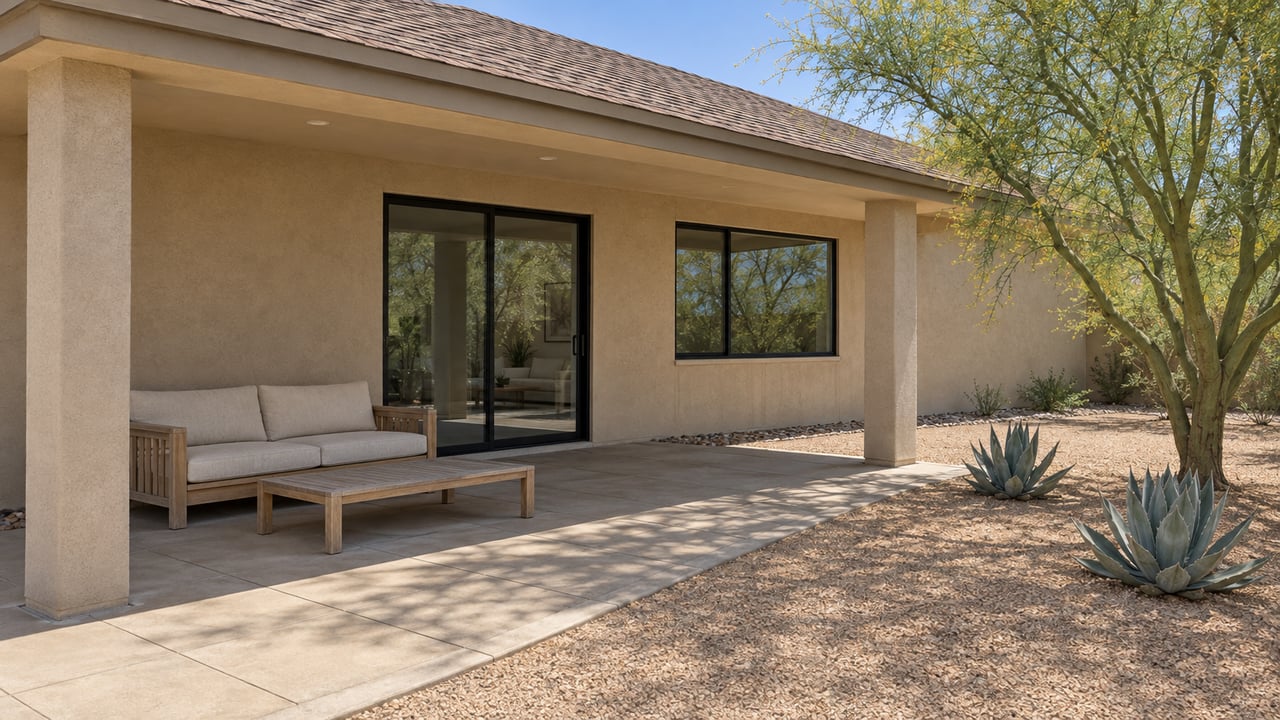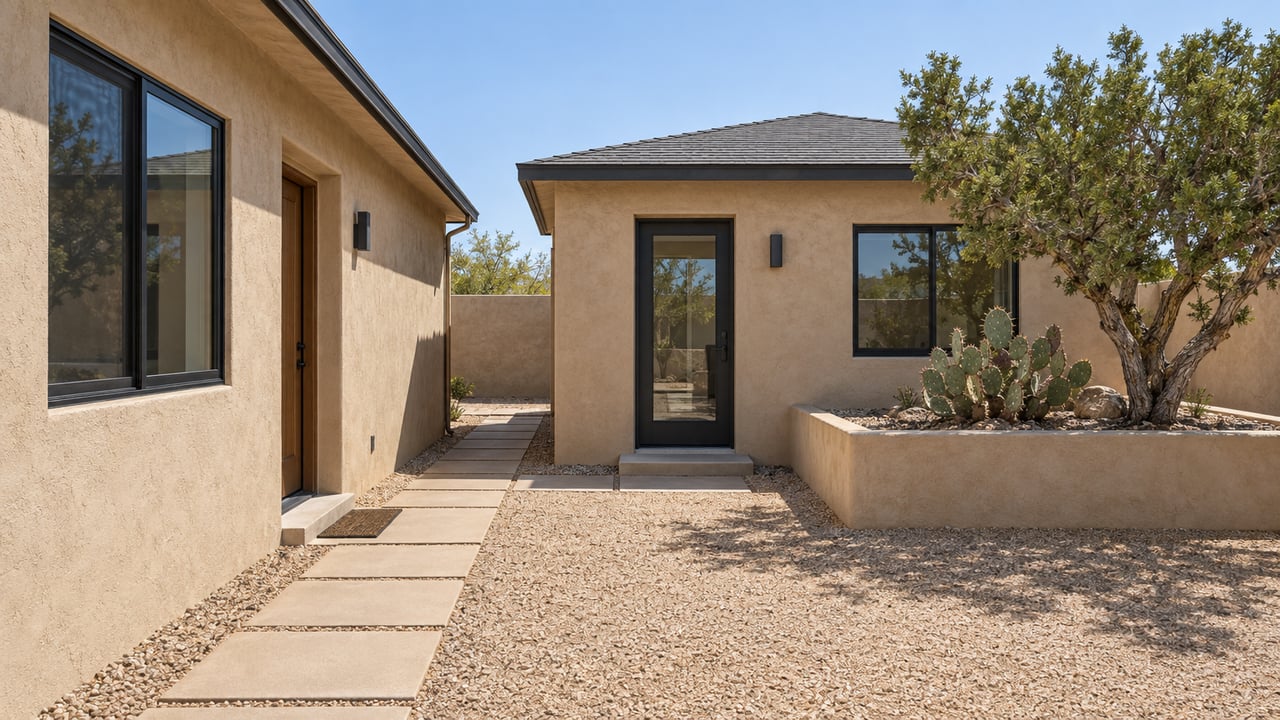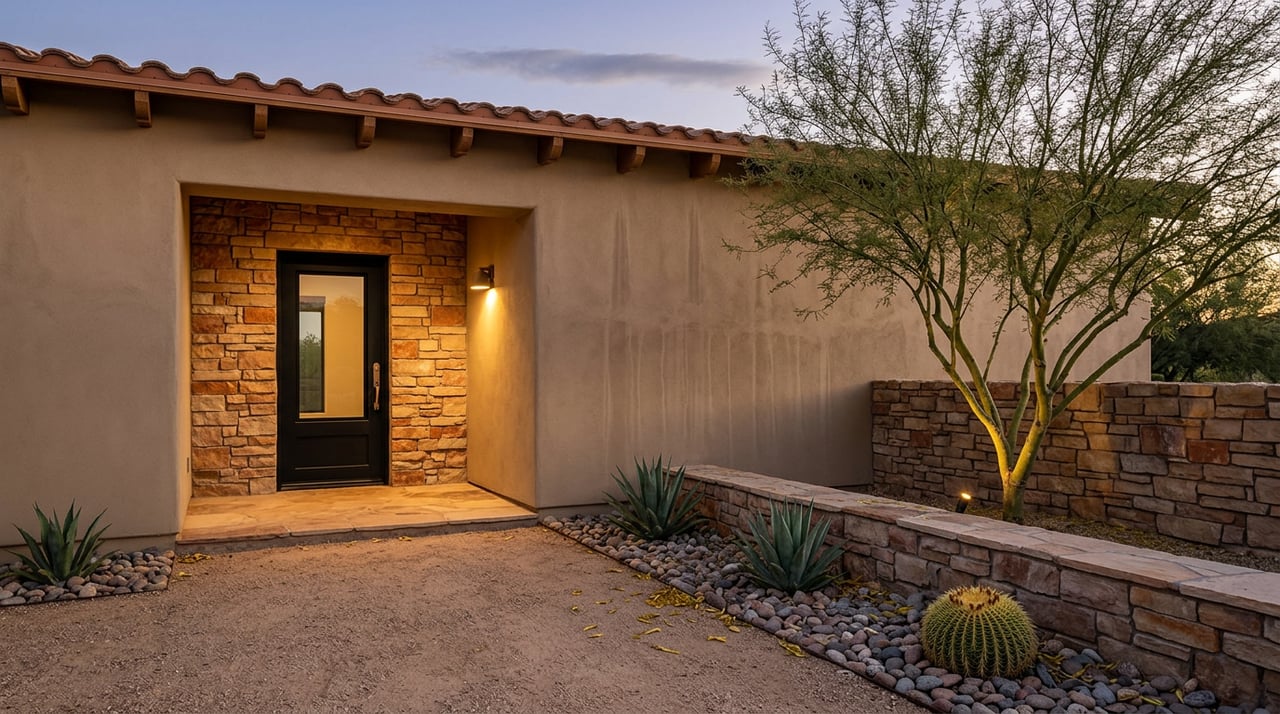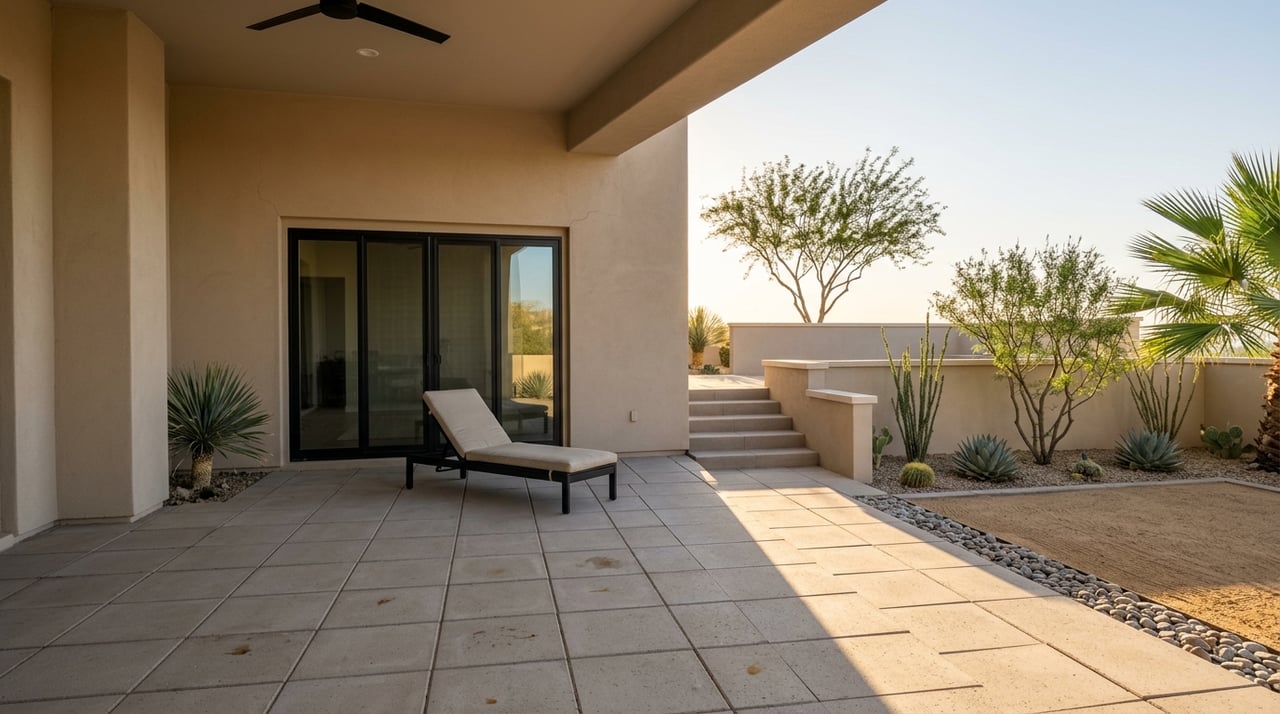
If you are drawn to hillside homes with wide-open desert views, Fountain Hills probably already has your attention. But a view home here is about more than a pretty backdrop. It shapes how you use your outdoor space, how your home feels at different times of day, and what ownership looks like over time. If you are wondering what daily life is really like, this guide will help you set the right expectations. Let’s dive in.
Why view homes stand out here
Fountain Hills is not built on a flat suburban grid. According to the town’s General Plan update, the community sits on the eastern slopes and foothills of the McDowell Mountains, with ridges, hilltops, rock outcrops, and washes shaping the landscape. That terrain is a big reason view homes feel like a distinct lifestyle choice here.
Elevation also plays a role in what you experience day to day. Town materials place Fountain Hills at about 1,520 feet near the fountain and up to roughly 3,000 feet on Golden Eagle Boulevard, with overall elevations ranging from about 1,510 to 3,170 feet. In simple terms, that means many homes are positioned to capture mountain scenery, layered desert views, and broader sightlines than you would expect in flatter parts of metro Phoenix.
What the scenery feels like daily
In Fountain Hills, the view is not just something you notice when guests come over. The town’s planning documents treat scenic value, topography, and dark skies as part of the community’s identity. That gives many view properties a stronger connection to the natural setting, both during the day and after sunset.
One of the more noticeable differences is the nighttime feel. The town notes that the McDowell Mountains help screen light pollution, creating darker skies than in much of the Valley. For you as a homeowner, that can make evenings feel quieter, more open, and more connected to the desert environment.
How outdoor living really works
A Fountain Hills view home can absolutely support an outdoor lifestyle, but it helps to think about that lifestyle realistically. The town highlights a park system with 119 acres across five developed parks, along with access from the Golden Eagle and Adero Canyon trailheads into the McDowell Mountains. For many homeowners, the appeal is not just the patio or balcony. It is the larger routine of being close to trails, open space, and desert scenery.
That said, outdoor use changes with the seasons. The town advises limiting outdoor activity between 11 a.m. and 3 p.m. during hotter parts of the year, and the National Weather Service monsoon safety guidance notes that summer can bring afternoon and evening thunderstorms, dust storms, lightning, and flash flooding. So while outdoor living is a real part of the Fountain Hills lifestyle, summer often pushes that use into early mornings and later evenings.
How lot orientation affects comfort
Not all view homes live the same way. In a hillside setting, orientation matters. Higher and more exposed lots often feel more open and expansive, while more sheltered or lower parcels can feel more protected.
That difference can shape how you use your home. Some properties may be better for morning coffee and sunrise views, while others may be more comfortable for late-day outdoor time. In Fountain Hills, small differences in exposure, elevation, and surrounding terrain can have a noticeable effect on the feel of the property.
The desert climate tradeoffs
Fountain Hills does sit a bit higher than lower-lying parts of metro Phoenix. Town materials say that elevation puts it about 400 to 500 feet above surrounding Valley communities, which can translate to slightly lower temperatures. But it is important to keep expectations grounded.
This is still Sonoran Desert living. Nearby NOAA climate normals for Phoenix and Scottsdale reflect a hot, dry climate, and Fountain Hills does not escape that basic reality. The best way to think about it is this: the elevation may take a little edge off, but it does not turn summer into all-day patio weather.
Microclimates are real here
One of the most important things to understand is that Fountain Hills has meaningful microclimate differences. The town’s general plan points to a landscape shaped by foothills, natural drainage channels, and washes. Because of that, ridge lots, slope lots, and wash-adjacent parcels may not behave the same way in wind, shade, or runoff.
For you, that means two homes in the same general area can feel surprisingly different. One may get more breeze and sun exposure, while another may feel more sheltered. If you are serious about buying a view property, it is worth evaluating how the lot sits on the land, not just what the photos show.
What hillside ownership can involve
The views come with tradeoffs. The same terrain that creates the scenery can also create more complicated access and maintenance than you would expect on a flat lot. The town describes ridges, hilltops, rock outcrops, washes, and natural drainage channels throughout the community, and even notes that some local trail routes include steep elevation change.
In practical terms, many view properties may involve:
- Stairs or split-level access
- Sloped driveways or walkways
- Retaining walls
- More exterior surfaces exposed to sun and weather
- Extra attention to drainage around the home
That does not mean hillside living is a problem. It simply means the best-fit buyer usually values scenery and setting enough to accept a little more complexity.
Monsoon season and maintenance
Monsoon season is one of the biggest real-world ownership considerations. The National Weather Service defines Arizona monsoon season as June 15 through September 30, and its safety guidance recommends securing or moving loose outdoor furniture and garbage cans before storms. If you own a view home with open patios, decks, or exposed outdoor areas, that becomes part of your normal seasonal routine.
The town’s planning and storm-water information also makes clear that runoff moves through gutters, washes, retention basins, and infiltration structures rather than a treated sewer system. That is why drainage matters so much in a terrain-driven community. If a home is near a wash or on a slope, you will want to understand how water moves across and around the lot after major wind or rain events.
Who this lifestyle fits best
A Fountain Hills view home is usually the right match for buyers who care deeply about setting, scenery, and the outdoor rhythm of the desert. If you enjoy mountain views, trail access, open skies, and a home that feels integrated with the land, this type of property can be especially rewarding.
It may be less ideal if your top priority is the easiest possible maintenance profile. Buyers who prefer flat lots, minimal exterior upkeep, or highly predictable outdoor conditions may find hillside living less convenient. The more aligned you are with the terrain-driven character of Fountain Hills, the more likely you are to enjoy what makes these homes special.
What to weigh before you buy
Before choosing a Fountain Hills view home, it helps to look past the headline feature and evaluate the full lifestyle. Ask yourself questions like:
- How important are sunrise, sunset, or nighttime views to you?
- Do you want open exposure or a more sheltered setting?
- How much exterior maintenance are you comfortable with?
- Will stairs or slope changes affect daily convenience?
- How do you plan to use patios, decks, or outdoor living areas in summer?
- Is trail access and a desert-oriented routine a major part of your lifestyle?
Those answers can help you sort through properties more strategically. A great view home is not just about what you see from the backyard. It is about how the lot, climate, and terrain support the way you want to live.
If you are exploring Fountain Hills and want a clear, practical read on how a specific property will live day to day, working with an advisor who understands both the lifestyle and the tradeoffs can save you time. Anthony Escobar can help you evaluate view homes with a strategic eye so you can choose a property that fits both your goals and your routine.
FAQs
Is a Fountain Hills view home good for year-round outdoor living?
- Usually yes, but summer outdoor time often shifts to early morning and evening, and monsoon weather can interrupt plans quickly.
Does elevation make Fountain Hills view homes much cooler than Phoenix?
- Somewhat, but not dramatically. Fountain Hills sits higher than parts of metro Phoenix, yet it still has a hot Sonoran Desert climate.
Do Fountain Hills hillside homes require more maintenance?
- Often yes. Sloped lots, drainage patterns, stairs, retaining walls, and exposed outdoor areas can create more upkeep than flat-lot properties.
Do all Fountain Hills view lots feel the same?
- No. Ridge lots, slope lots, and wash-adjacent parcels can differ in sun exposure, wind, shade, and drainage.
Who is the best fit for a Fountain Hills view home lifestyle?
- Buyers who prioritize scenery, trail access, open space, and a terrain-driven setting are usually the best fit for this type of home.