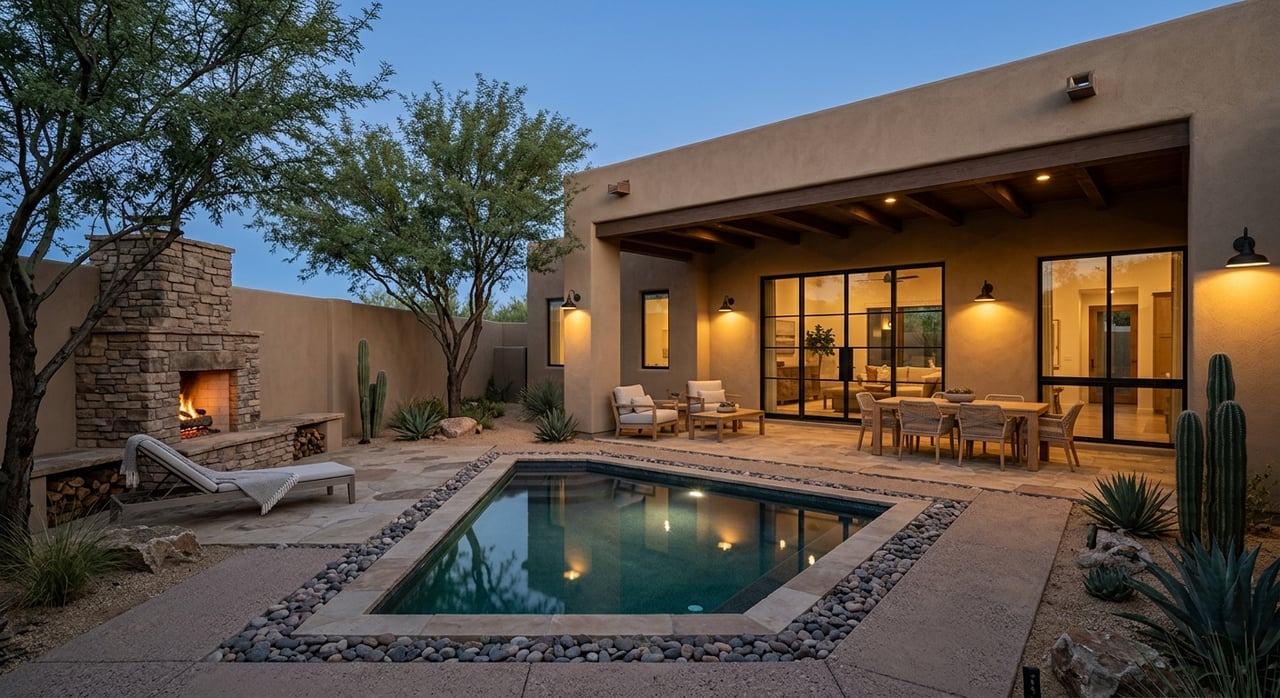
If you love the idea of stepping out for a spa afternoon, dinner reservation, or golf round without giving up the privacy Paradise Valley is known for, resort-corridor living can feel like a smart fit. The catch is that not every resort-adjacent address lives the same way, even within a short drive. If you are weighing a primary home, second home, or lifestyle purchase in Paradise Valley, this guide will help you think clearly about access, privacy, and day-to-day feel. Let’s dive in.
Why resort living stands out
Paradise Valley offers a rare mix of luxury hospitality and residential calm. The town covers about 15.4 square miles, has an estimated 12,774 residents, and is predominantly zoned for single-family housing while also home to 9 resorts and 3 golf courses. That combination is a big reason resort-adjacent living feels distinctive here.
The town’s long-term vision also shapes the experience. Paradise Valley emphasizes privacy, quiet, dark skies, public safety, and limited commercial development. In practical terms, that means even homes near well-known resorts often still feel residential first.
Where the resort corridor is concentrated
The main resort-and-club corridor is centered along Lincoln Drive, McDonald Drive, Tatum Boulevard, and nearby Scottsdale Road. Core resort properties listed by the town include Camelback Inn, Mountain Shadows, Omni Scottsdale Resort & Spa at Montelucia, Sanctuary Camelback Mountain, and the coming-soon Ritz-Carlton Paradise Valley. Paradise Valley Country Club also sits just north of Lincoln Drive in an area the town describes as known for luxury resorts and beautiful residences.
This geography matters because the lifestyle can change street by street. A home near a major resort entry or a busier edge can feel very different from a home tucked deeper into a local street network. In Paradise Valley, micro-location often matters more than a broad area label.
What you gain by living nearby
For many buyers, the biggest benefit is convenience. Living near the resorts can put dining, spa services, golf, and social programming close to home. That can be especially appealing if you want a lock-and-leave second home or a primary residence with lifestyle amenities nearby.
The town’s restaurant directory highlights resort-adjacent options such as Lincoln Steakhouse and Rita’s Kitchen, Prado, elements, Hearth ’61, and Rusty’s. Instead of planning a full night out across the Valley, you may have polished dining and casual options just minutes away.
Dining and social energy
Some resorts bring a steady rhythm of public-facing experiences. Mountain Shadows, for example, features Hearth ’61, Rusty’s, live music on Friday and Saturday nights, and weekly Champagne sabering, along with private-event venues. If you enjoy an active social scene nearby, that can be a real lifestyle plus.
Sanctuary adds another layer with Elements, Jade Bar, Table XII, poolside dining, and recurring culinary, wellness, music, and seasonal happenings. It also offers 10,000 square feet of indoor and outdoor event space and a 250-capacity ballroom, which helps explain why nearby blocks can feel lively at certain times.
Spa, golf, and club access
Resort living in Paradise Valley is not just about restaurants. Omni Scottsdale Resort & Spa at Montelucia lists multiple dining outlets, Joya Spa, pools, and 16 event venues. JW Marriott Scottsdale Camelback Inn offers Lincoln Steakhouse & Bar, Rita’s Cantina and Bar, Tavern 37, spa services, golf, and large-scale event venues.
Golf and club access are another major draw, but the type of club matters. Public-use golf at Mountain Shadows and Camelback Golf Club will usually feel more open and visitor-oriented, while Paradise Valley Country Club is invitation and members only. That distinction can affect both the atmosphere and the amount of outside activity around a property.
The tradeoff: access versus seclusion
This is the key decision point for most buyers. In Paradise Valley, some homes trade a little more traffic and event energy for easier access to dining, spa amenities, and club life. Others trade that convenience for a quieter setting, especially on interior local streets or lots with mountain and preserve buffers.
The town’s own vision supports that balance. Paradise Valley says it offers convenient access to local and regional amenities while preserving privacy, quiet, and public safety. That is a big reason the market appeals to buyers who want both luxury access and a more protected residential feel.
What busier edges can feel like
Homes along Lincoln Drive, McDonald Drive, Tatum Boulevard, or Scottsdale-side edges are more likely to experience valet activity, rideshare pickups, and event-day movement. That reading aligns with the town’s street hierarchy and the level of resort programming in the corridor. It is not a formal rule, but it is a useful way to think about day-to-day living.
Paradise Valley’s public works information distinguishes local streets, which are intended to limit through traffic, from major arterials and collectors. That helps explain why a home one or two turns off a major road may feel meaningfully more secluded than a home with direct frontage.
Why interior streets feel different
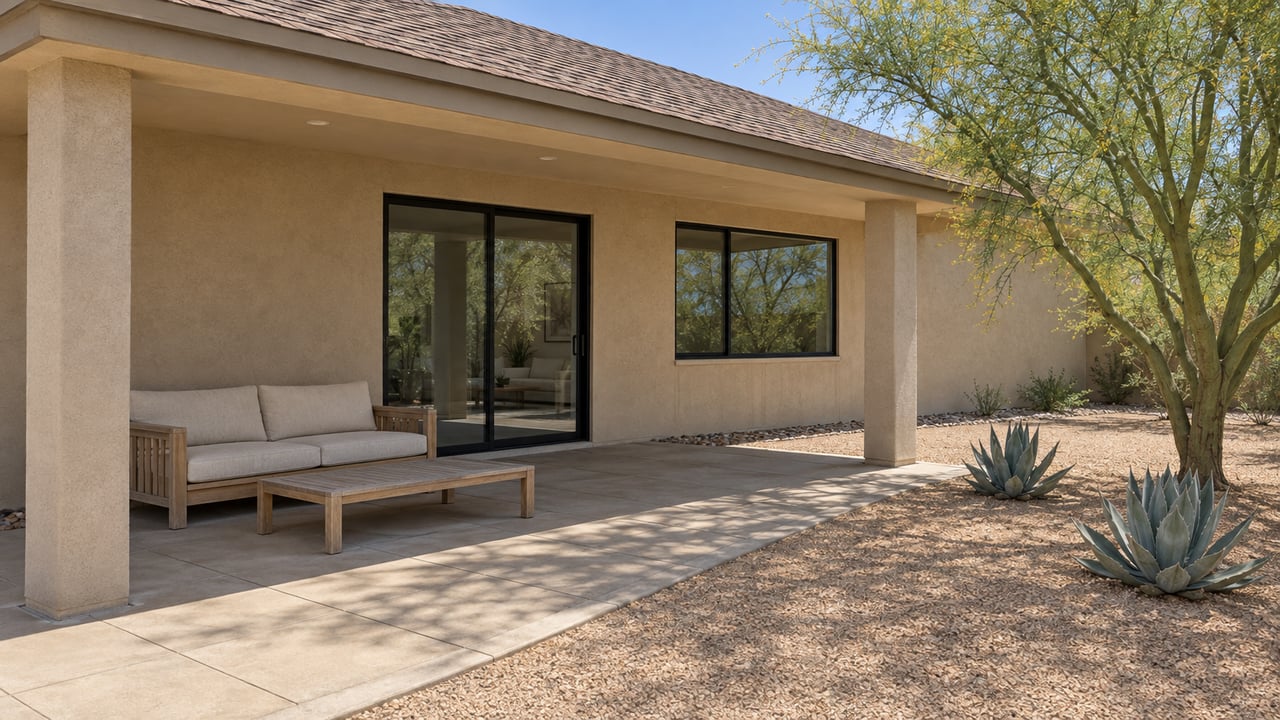
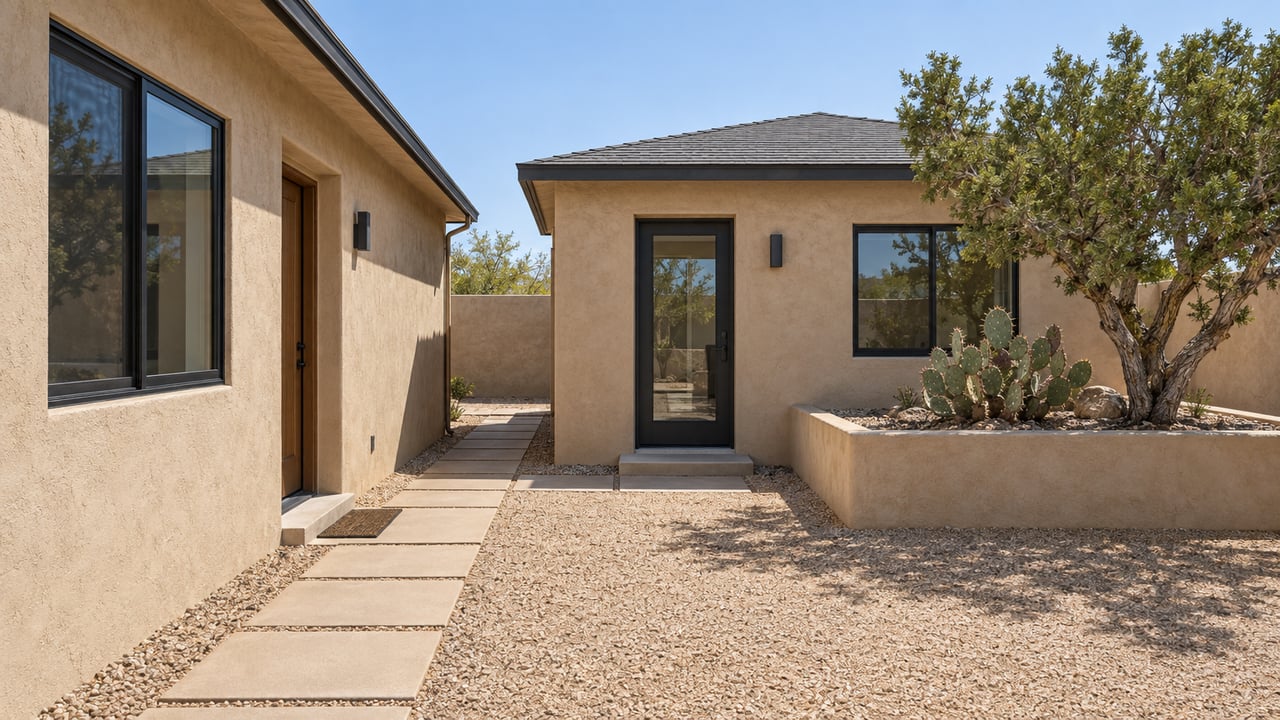
Interior local streets often deliver the side of Paradise Valley many buyers are looking for. The town’s general plan describes low-density character, setbacks from heavily traveled thoroughfares, and limits on outdoor lighting and excessive noise as long-standing community priorities. Those planning choices help preserve a calmer environment away from the main resort edges.
The town also continues to prioritize open space and natural landscape preservation. The Mountain Preserve Trust exists to protect desert plants, wildlife, and scenic beauty on and around Mummy Mountain and Camelback Mountain. If a lot benefits from a mountain or preserve buffer, that can change the feel of the property in a meaningful way.
How to evaluate a resort-adjacent home
If you are shopping in Paradise Valley, focus less on the marketing label and more on the exact block and lot position. Two homes with similar pricing and resort proximity may offer very different daily experiences. A careful, property-level review matters here.
Use these questions as a practical checklist:
- How close is the home to a hotel entry?
- Is the property near a ballroom or event venue?
- Does the lot face a major road or sit deeper on a local street?
- Is there a mountain, wash, or preserve buffer nearby?
- Is the adjacent golf or club environment public-facing or private?
- How direct is the route to Lincoln, McDonald, Tatum, or Scottsdale Road?
These details matter because Paradise Valley’s resort corridor can shift quickly from lively to quiet depending on the exact location. For a buyer who values discretion, even a small change in siting can have a large impact.
Best fit for second-home buyers
Resort-adjacent living can work especially well for second-home buyers who want convenience without taking on a fully urban lifestyle. Easy access to dining, spa services, golf, and events can make shorter stays more enjoyable and lower-friction. You get the benefit of nearby amenities while still being in a town built around low-density residential character.
At the same time, the right fit depends on your tolerance for activity. If you want to walk or drive quickly to resort amenities, you may accept a bit more movement near major roads or event spaces. If your priority is a quieter retreat, an interior lot may be the better long-term choice.
Why Paradise Valley still feels residential first
One reason this market holds its appeal is the town’s history and planning approach. Paradise Valley’s general plan frames the town as a place created to resist the loss of a sparsely populated desert lifestyle to annexation and commercialization from neighboring Phoenix and Scottsdale. That history still shows up in how the area feels today.
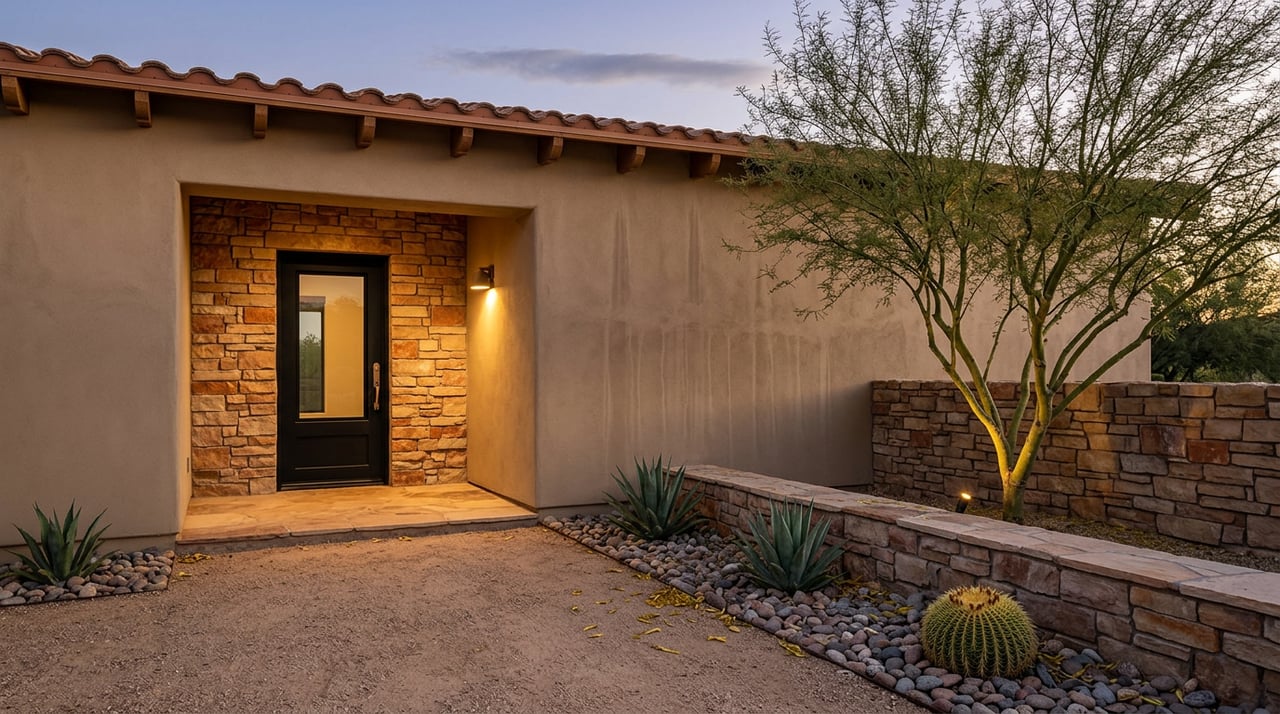
The result is a place where nationally recognized resorts exist within a setting that still prioritizes privacy and landscape. The town describes itself as a quiet desert oasis with an average of 294 days of sunshine a year. For many buyers, that is the sweet spot: luxury amenities close by, but not at the expense of the town’s core identity.
A smart way to narrow your search
If you are serious about living near Paradise Valley’s iconic resorts, the goal is not simply to get close. The goal is to match the right kind of resort edge to the way you actually live. That means weighing convenience, traffic patterns, club access, event activity, and natural buffers before you decide a property is the one.
A finance-minded search process helps here because lifestyle value and property positioning are tied together. The best purchase is usually the one that fits your routine, protects your privacy preferences, and aligns with how you plan to use the home over time. If you want help comparing specific streets, lot placements, and off-market or on-market opportunities in Paradise Valley, connect with Anthony Escobar.
FAQs
What is the main resort corridor in Paradise Valley?
- The resort corridor is concentrated along Lincoln Drive, McDonald Drive, Tatum Boulevard, and nearby Scottsdale Road, where several of the town’s best-known resorts and clubs are located.
What are the benefits of living near Paradise Valley resorts?
- Living near the resorts can give you easier access to dining, spa services, golf, pools, and social programming while still being in a town known for low-density residential living.
What are the tradeoffs of resort-adjacent living in Paradise Valley?
- Homes closer to major roads, resort entries, or event venues may experience more traffic, valet activity, rideshare movement, and periodic event-day energy than homes on interior local streets.
How do I compare one resort-adjacent block to another in Paradise Valley?
- Focus on exact lot placement, distance to hotel entries and ballrooms, frontage on major roads, mountain or preserve buffers, and whether the nearby club or golf setting is public-facing or private.
Is Paradise Valley more private than other resort areas?
- Paradise Valley’s planning vision emphasizes privacy, quiet, dark skies, public safety, limited commercial development, and preservation of natural open space, which helps maintain a residential-first feel.
Is resort-adjacent living in Paradise Valley good for a second home?
- It can be a strong fit if you want a lock-and-leave property with quick access to luxury amenities, but the best choice depends on whether you prefer convenience and activity or greater seclusion.